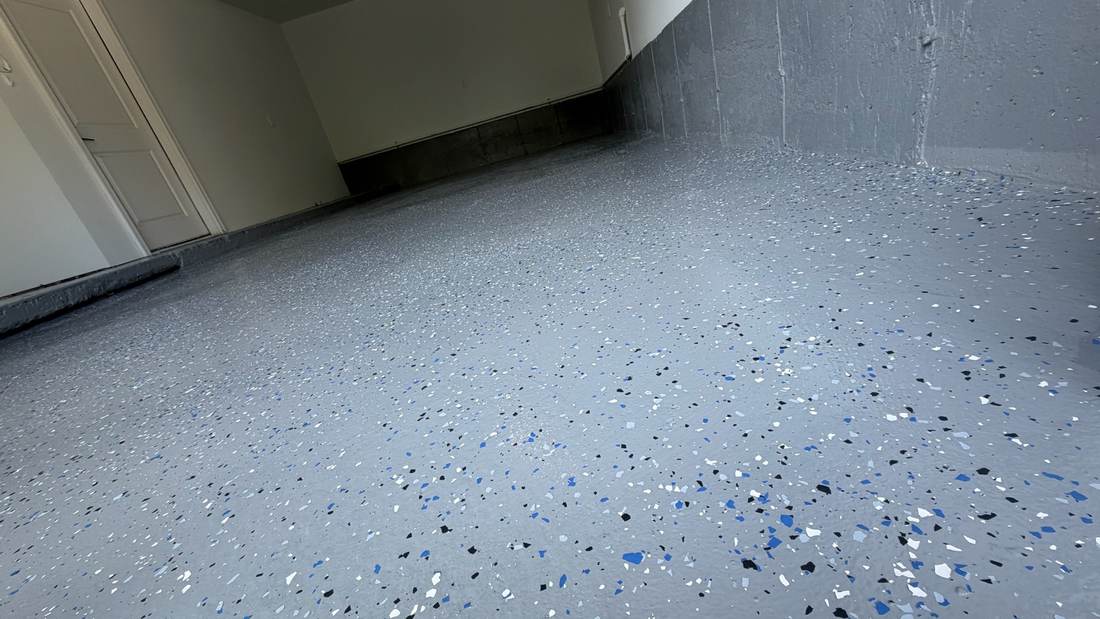
Epoxy Floors
Epoxy Garage Floor Installation: Why Summer Is the Ideal Time
Summer heat and low humidity make epoxy floors cure faster and bond stronger. Learn why Western MA homeowners should schedule installation now.
Why Temperature Is Everything for Epoxy
Epoxy is a two-part chemical system: a resin and a hardener that bond together as they cure. That reaction is highly sensitive to temperature. Most epoxy formulations require the concrete surface to be at least 55 degrees Fahrenheit, and they perform best between 70 and 90 degrees. In Western Massachusetts, we spend a good chunk of the year on the wrong side of that range. A garage in Westfield or Southampton can sit at 40 degrees well into April, and that cold concrete will cause epoxy to cure too slowly, bubble, or peel within a season.
Summer eliminates that problem. Daytime highs in the Springfield and Agawam area routinely reach the mid-80s from late June through August, and garage slabs absorb and hold that warmth. When the surface temperature is right, the epoxy bonds tightly to the concrete and cures to a hard, chemical-resistant finish in a predictable window. You are not fighting the weather; you are using it.
Humidity Matters Almost as Much as Heat
Moisture is the other variable that can ruin an epoxy job. Concrete is porous, and if moisture vapor is migrating up through the slab, the coating can delaminate before it ever fully cures. New England springs are notoriously damp, and that moisture works its way into garage slabs for weeks after the snow melts. By July, most slabs in the region have dried out sufficiently for a proper installation.
Sherwin-Williams notes that surface moisture content should be below a specific threshold before coating, and a simple plastic-sheet test can tell you whether your slab is ready. Tape a one-foot square of plastic to the floor for 24 hours. If condensation collects underneath, wait. In summer, that test almost always comes back clean, which is one less delay before your project starts.
Concrete Prep Is Easier in Warm Weather
Proper surface preparation accounts for the majority of epoxy coating failures. The slab must be mechanically ground or acid-etched to open the pores of the concrete and give the epoxy something to grip. Both processes are more effective when the concrete is warm and dry.
Grinding vs. Acid Etching
Grinding with a diamond grinder is the professional standard. It removes old sealers, levels minor surface irregularities, and creates a consistent profile across the whole floor. Acid etching is a lower-cost alternative that works well on bare, uncoated slabs, but it requires thorough rinsing and complete drying before coating can begin. Summer heat speeds up that drying time considerably compared to a cool, overcast spring day.
Crack Repair
Any cracks or divots need to be filled before the epoxy goes down. Patching compounds also cure faster in warm temperatures, so your project timeline tightens up rather than stretching across multiple days. Homeowners in older neighborhoods like those in Holyoke or West Springfield often find more concrete imperfections to address, and summer gives the repair materials the best possible conditions to set hard before the topcoat goes on.
Would you rather we handled it? Estimates are always free.
Get a Free EstimateWhat the Finished Floor Actually Gives You
A properly installed epoxy floor is not just cosmetic. The coating creates a sealed, nonporous surface that resists motor oil, road salt, gasoline, and the deicers that Western MA winters demand in bulk. That same salt and chemical load that eats bare concrete over time simply wipes off an epoxy floor with a mop. The surface also reflects light, which noticeably brightens a garage that doubles as a workshop or storage space.
Durability is directly tied to installation quality, which loops back to why timing matters. A coating that cures correctly in ideal summer conditions will outperform one that was rushed through in cold or damp weather by years. For a full breakdown of what a professional installation includes, our epoxy floor coating service walks through the process and the finish options available.
Planning Your Summer Installation
Most residential epoxy jobs take two to three days from prep through final cure. Day one is surface preparation. Day two is the base coat. Day three, if a topcoat or flake broadcast is included, is the final layer and cure time. You will need to keep vehicles off the floor for at least 72 hours after the final coat, so plan around any trips or events where you need the garage accessible.
Schedule earlier in the summer rather than later. Contractors book up quickly once the season hits, and you want the full benefit of the warm, dry window rather than racing toward the cooler nights of late August. If your project is in Springfield, Agawam, or any of the surrounding communities, even a week of delay can push you into less predictable weather.
Frequently Asked Questions
Can epoxy be installed in a garage without climate control?
Yes, as long as the ambient and surface temperatures are within the product's recommended range, typically 55 to 90 degrees Fahrenheit. Summer in Western Massachusetts naturally provides those conditions in an unheated garage, which is why the season is preferred over fall or spring installations.
How long does an epoxy garage floor last?
A professionally installed epoxy floor typically lasts 10 to 20 years with routine cleaning and occasional maintenance. Longevity depends heavily on surface prep quality and whether the coating was applied under proper temperature and humidity conditions. Floors installed in summer under ideal conditions consistently outperform those applied in marginal weather.
Is epoxy slippery when wet?
A smooth epoxy surface can be slippery when wet, but anti-slip additives like aluminum oxide or decorative flakes are routinely broadcast into the coating to add texture and grip. Most homeowners choose a flake finish for both the safety benefit and the appearance it provides.
Do I need to move everything out of the garage before installation?
Yes, the entire floor surface needs to be clear so the grinding equipment can reach every area and the coating can be applied edge to edge without interruption. Plan to store vehicles, bikes, and storage items elsewhere for at least three to four days to cover prep, application, and cure time.
Will road salt from New England winters damage the epoxy?
Epoxy is highly resistant to the deicers and road salts common in New England winters, which is one of the main reasons homeowners in this region choose it. Sherwin-Williams formulations are specifically tested for chemical resistance, and routine mopping after vehicles are brought in from salted roads is all the maintenance required.
They Also Read
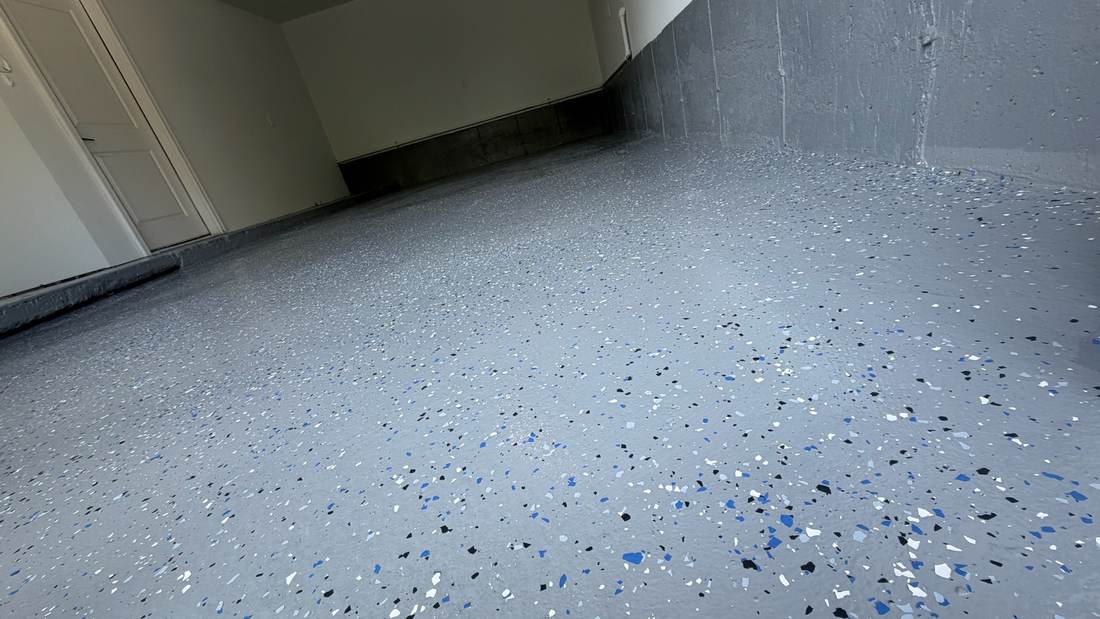
How Much Does Epoxy Garage Floor Installation Cost in Western Massachusetts?
Wondering what epoxy garage floor installation costs in Western MA? Get real price ranges, what drives costs...
Read more →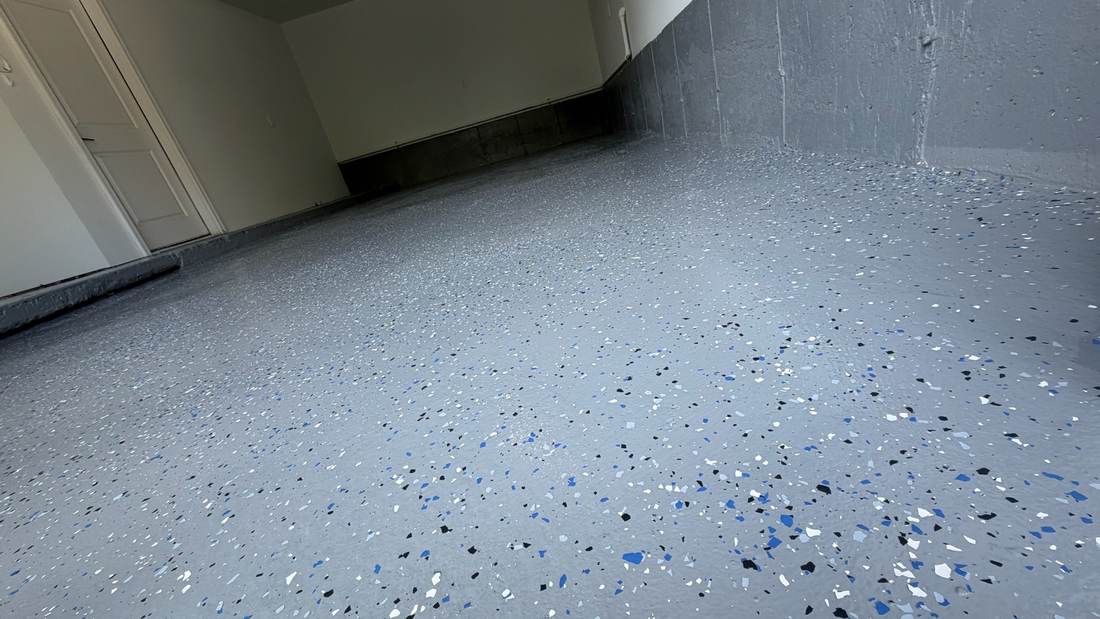
Epoxy vs. Painted Concrete Garage Floors: Which Is Better?
Choosing between epoxy and painted concrete for your garage floor? Learn the real differences in durability,...
Read more →Ready for a free estimate?
Tell us about your project and we will get you a straight answer on price and timing.