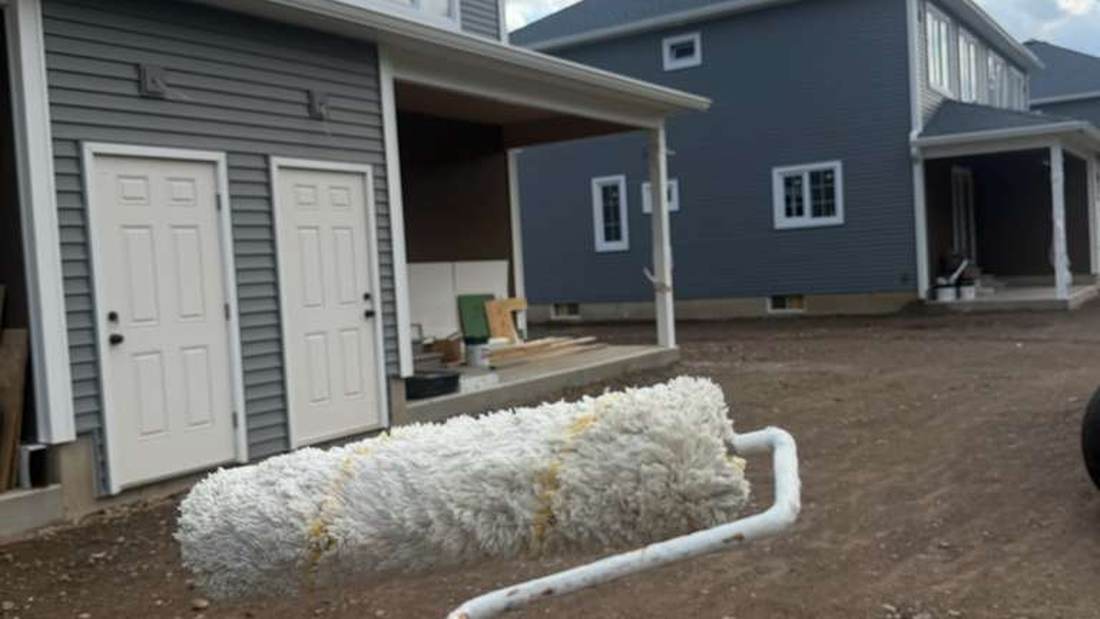
Exterior Painting
Why You Need to Paint Your Home's Exterior Before It Gets Too Cold
Cold weather is coming to Western Massachusetts. Learn why scheduling exterior painting now protects your home, saves money, and avoids costly spring repairs.
The Window Is Shorter Than You Think
Most homeowners assume they have plenty of time to get exterior work done before the cold sets in. Then October arrives in the Pioneer Valley and temperatures drop faster than expected. In Western Massachusetts, reliable painting weather typically runs through mid-October at best. Once nighttime lows dip consistently below 40 degrees Fahrenheit, most exterior paints struggle to bond correctly, and the risk of a failed job rises sharply.
That window matters more than many people realize. Exterior painting is not just cosmetic maintenance — it is the primary barrier between your wood siding, trim, and structural components and the moisture, ice, and freeze-thaw cycles that define a New England winter. Waiting until spring means giving the elements five or six months to do damage that paint would have prevented.
What Cold Temperatures Actually Do to Paint
Paint is a chemistry problem as much as a craft problem. Latex and acrylic paints — the most common exterior formulations today — require temperatures above 50 degrees Fahrenheit both during application and for several hours afterward while the film cures. Benjamin Moore specifies minimum application temperatures for their exterior lines, and most leading manufacturers echo similar guidance. Below those thresholds, the paint film cannot coalesce properly. The result is poor adhesion, uneven sheen, cracking, and premature peeling — often within a single season.
The Freeze-Thaw Problem
Even if paint is applied on a warm fall day, a sudden overnight freeze before the coating has fully cured can ruin the job. Water trapped in the paint film expands as it freezes, breaking the bond between the coating and the substrate. In areas like Agawam and West Springfield, where temperatures can swing dramatically between day and night in late September and October, this is a genuine risk that grows with every week you delay.
Moisture and Surface Preparation
Cold air holds less moisture, which sounds like an advantage, but early morning dew, frost, and the generally wetter conditions of late fall can leave surfaces damp well into mid-morning. Painting over a damp surface traps moisture beneath the coating, which leads to blistering and peeling. A professional crew working in September or early October has far more reliable hours in the day to work with a properly dried surface than one trying to squeeze a project in during November.
Would you rather we handled it? Estimates are always free.
Get a Free EstimateThe Real Cost of Waiting Until Spring
Postponing exterior painting past the cold season is rarely a neutral decision. Here is what often happens to homes in Western Massachusetts that go through winter with failing or absent paint protection.
- Bare or cracked wood absorbs moisture from snow and ice, leading to rot that requires board replacement before any painting can happen.
- Peeling paint around windows and doors allows cold air infiltration, raising heating costs throughout the season.
- Spring is the busiest season for exterior painting contractors across Holyoke, Springfield, and surrounding towns, meaning longer wait times and less scheduling flexibility.
- Rot and wood damage discovered in spring add carpentry costs on top of painting costs, turning a straightforward project into a much larger job.
The math is usually straightforward: a painting project completed in September costs less than the same project delayed to May, once you factor in the damage that winter inflicts on an unprotected surface.
Protecting Older Homes Requires Extra Urgency
Many homes in communities like Westfield, Holyoke, and Southampton were built before modern moisture-resistant construction methods became standard. Older wood siding and trim are more porous and more vulnerable to freeze-thaw damage than newer composite or engineered materials. If your home was built before 1978, there is an additional consideration: disturbing old paint during surface preparation may involve lead paint. For homes built before 1978, the EPA sets the rules for disturbing lead paint and requires work to follow the Renovation, Repair, and Painting rule. Getting this work done now, rather than rushing it in a narrow spring window, gives you time to do it right and safely.
Inspecting While You Can Still See the Damage
One underappreciated advantage of fall painting is that you can still do a thorough inspection of the exterior before snow obscures everything. Soft or spongy wood, rust stains from failing fasteners, gaps in caulking around windows — all of these are visible and addressable now. By March, they may be hidden under ice or snow until conditions allow a full assessment, and by then the damage has compounded.
How to Make the Most of the Remaining Season
If you are a homeowner in the Springfield area or anywhere in the Pioneer Valley reading this in late summer or early fall, the most useful thing you can do is act quickly rather than plan slowly. Here is a practical sequence to follow.
- Walk the perimeter of your home and note any areas where paint is peeling, cracking, or missing entirely. Pay close attention to south- and west-facing walls that get the most sun exposure and weather stress.
- Check all caulking around windows, doors, and trim. Any gaps or shrinkage need to be addressed before painting.
- Contact a painting contractor early enough to get on the schedule while the weather cooperates. September bookings fill faster than most homeowners expect.
- Ask about the specific paint products being used and confirm they are rated for the temperature conditions likely during your project window.
For more information about what a professional exterior project involves from start to finish, our exterior painting service covers the full scope of what to expect. Going in informed means fewer surprises and a better outcome.
Frequently Asked Questions
What is the lowest temperature at which exterior paint can be applied?
Most exterior latex and acrylic paints require surface and air temperatures of at least 50 degrees Fahrenheit during application and for several hours afterward while the coating cures. Some cold-weather formulations extend that threshold slightly lower, but working below 40 degrees is not recommended by any major manufacturer. In Western Massachusetts, this means your reliable window closes sometime in mid-to-late October depending on the year.
Can I paint my home's exterior in November in New England?
It is possible on warmer days, but the risk of a failed job increases significantly. November temperatures in Massachusetts frequently drop below safe painting thresholds overnight, and the curing window after application is much shorter. A job done under marginal conditions may look fine initially but peel or crack before winter is even over. How long does exterior paint need to cure before cold weather arrives? Most exterior coatings need at least 24 to 48 hours of temperatures above 50 degrees Fahrenheit to cure properly, though full hardness can take considerably longer. Scheduling your project with a buffer of several days of favorable weather after the final coat is the safest approach. Your contractor should factor local forecasts into the project timeline.
Will painting now actually help with my heating bills this winter?
A fresh, well-sealed exterior coat will not dramatically change your home's insulation value on its own, but sealing gaps in caulking and ensuring trim is properly coated does reduce air infiltration. The U.S. Department of Energy the U.S. Department of Energy notes that air sealing is one of the most cost-effective ways to reduce heating costs, and a thorough painting prep process addresses many of the same gaps.
How do I know if my siding has damage that needs repair before painting?
Press firmly on wood siding and trim around windows, doors, and at ground level — soft or springy areas indicate rot that must be replaced before painting. Visible cracks, gaps in caulking, and peeling paint over large sections are also signs that surface prep will be more involved than a simple wash and coat. A professional inspection before the project begins will identify everything that needs attention.
They Also Read
5 Common Exterior Painting Mistakes Homeowners Make (and How to Avoid Them)
Avoid the most costly exterior painting mistakes Western MA homeowners make. Learn what goes wrong and how to...
Read more →
5 Signs It's Time to Repaint Your Home's Exterior
Fading paint, peeling edges, and rising energy bills are warning signs. Learn the 5 signals that tell Western...
Read more →Ready for a free estimate?
Tell us about your project and we will get you a straight answer on price and timing.