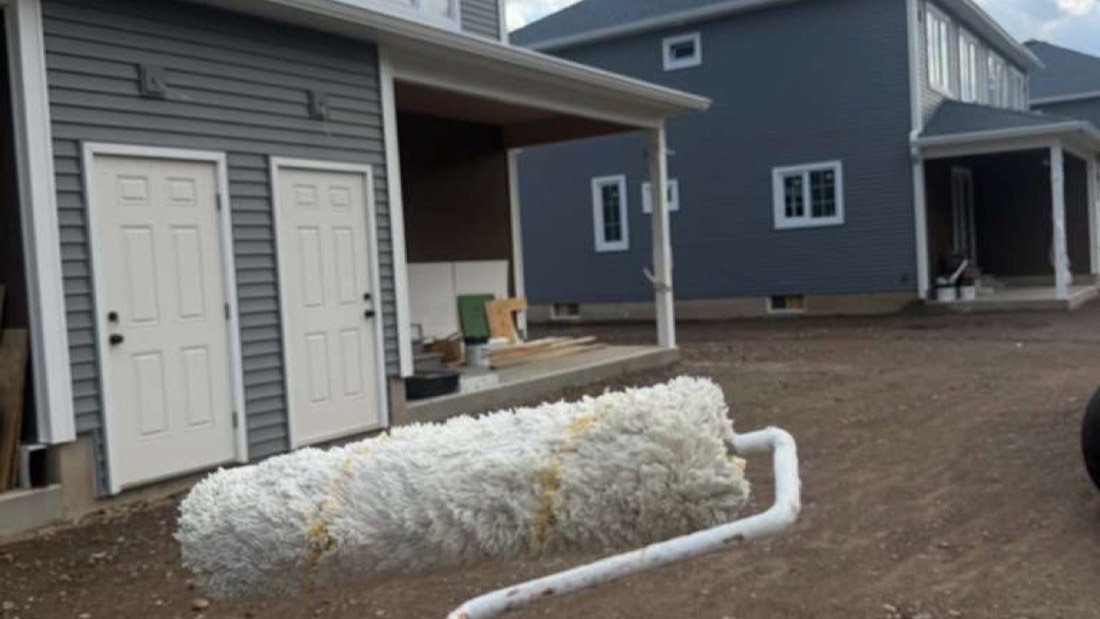
Exterior Painting
Why Summer Is Peak Season for Exterior Painting in New England
Discover why summer is the best time for exterior painting in Western Massachusetts, and how to plan your project for lasting, professional results.
New England Weather Makes Timing Everything
If you've lived in Western Massachusetts for any length of time, you know how unforgiving the seasons can be. Winters are long and wet, spring arrives late and unpredictably, and fall can drop below freezing before you've finished raking leaves. That leaves a narrow window when exterior painting can actually be done right — and summer sits squarely in the middle of it.
If you would rather hand the job to a professional, see our exterior painting service for Western Massachusetts homeowners.
Paint manufacturers are clear about this. Most latex and acrylic exterior paints require temperatures above 50°F, and ideally between 60°F and 85°F, with low humidity during application and the first 24 to 48 hours of curing. In towns like Westfield, Agawam, and Southampton, those conditions are reliably met from mid-June through early September. Outside that window, you're gambling with adhesion failures, blistering, and premature peeling.
What Happens When Paint Is Applied in the Wrong Conditions
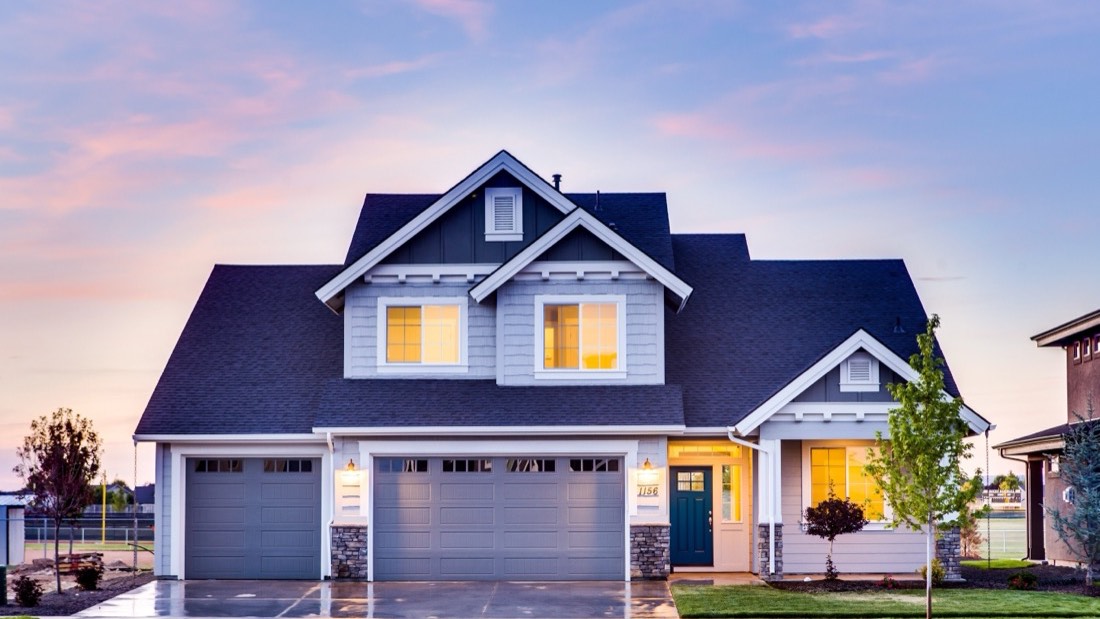
It's worth understanding why conditions matter so much, because the consequences of painting at the wrong time aren't just cosmetic — they're expensive to fix.
Cold Weather Problems
When temperatures dip below the manufacturer's minimum threshold, the paint film forms too slowly. The result is poor adhesion to the substrate, an uneven surface texture, and a finish that may crack or peel within a single freeze-thaw cycle. In New England, that cycle can happen dozens of times between November and March.
Humidity and Rain Issues
High humidity — common in the Connecticut River Valley during May and early June — traps moisture under the paint film as it dries. This leads to blistering, sagging, and mildew growth that starts from day one. the EPA notes that moisture is a primary driver of mold growth on building materials, which is exactly what you want to avoid introducing into siding and trim during a paint job.
Summer Gives You the Best of Both Worlds
Summer in Western Massachusetts typically brings stable temperatures, lower relative humidity than spring, and longer daylight hours. That means more working time per day, faster and more reliable curing, and a final finish that bonds properly to wood, fiber cement, vinyl, and masonry surfaces alike.
Would you rather we handled it? Estimates are always free.
Get a Free EstimatePlanning Your Project Before the Season Books Up
Peak painting season is peak scheduling season. Homeowners in Springfield, Holyoke, and West Springfield who wait until July to call a painter often find that quality crews are already booked weeks out. The smartest move is to schedule your estimate in April or May so your project slots in during the prime summer weeks.
Before anyone picks up a brush, spend some time doing a honest walk-around inspection of your home's exterior. Look for:
- Peeling or chalking paint that signals adhesion failure
- Cracked or missing caulk around windows, doors, and trim joints
- Wood rot, especially on soffits, fascia boards, and window sills
- Staining from rust, mildew, or tannin bleed-through
Any of these issues need to be addressed before painting begins. Skipping prep work is the single most common reason a paint job fails ahead of schedule, regardless of how good the paint is.
Choosing the Right Paint for a New England Exterior
Not all exterior paints perform equally in a climate that swings from -10°F in January to 90°F in August. For Western Massachusetts homes, you want a 100% acrylic latex formula with a high solids content. These products flex with the substrate as temperatures rise and fall, rather than cracking under thermal stress.
Sheen level matters too. A satin or low-gloss finish on siding holds up better to scrubbing and weather than flat paint, while still looking clean and traditional. Reserve high-gloss finishes for trim and doors, where durability and visual definition are both priorities.
Color choice affects more than aesthetics. Darker colors absorb more heat and can cause paint to dry too quickly on very hot days, potentially leading to lap marks. On intensely sunny south- and west-facing walls, lighter shades are generally more forgiving during application and more resistant to UV fading over time. Resources like Benjamin Moore provide detailed technical data sheets for their exterior lines, which can help you match the right product to your specific substrate and exposure.
Prep Work: The Step That Determines How Long the Job Lasts
A summer paint job done on top of inadequate prep will look great for one season and start failing in the second. The prep phase — which often takes as long as the painting itself — is where the real value is created.
Pressure Washing and Cleaning
The exterior surface must be free of dirt, mildew, chalk, and loose paint before any coating goes on. Pressure washing followed by a light scrub with a cleaning solution is standard practice. Allow the surface to dry completely — typically 24 to 48 hours in summer conditions — before applying primer or paint.
Scraping, Sanding, and Priming
Any remaining loose or peeling paint needs to be scraped back to a firm edge, then feathered with sandpaper so the transition is smooth. Bare wood and repaired areas should be spot-primed before the full coat goes on. A good primer seals the surface, improves adhesion, and blocks stains from bleeding through the topcoat. For full repaints, a coat of primer across the entire surface is often worth the extra investment — especially on older homes in Springfield or Holyoke where the existing paint layers have accumulated over many decades.
For a detailed look at what a professional exterior paint project involves from start to finish, our exterior painting service walks through the full process specific to this region.
Frequently Asked Questions
What is the ideal temperature range for exterior painting in Massachusetts?
Most exterior paints perform best when applied between 60°F and 85°F, with low humidity and no rain in the forecast for at least 24 hours after application. Temperatures in this range are reliably available in Western Massachusetts from mid-June through early September, making that window the safest time to paint.
Can I paint my house exterior in late spring or early fall in New England?
It's possible but risky. Late spring in the Connecticut River Valley often brings high humidity and unpredictable cold snaps, while early fall can drop below paint manufacturer minimums faster than expected. If you need to paint outside peak summer, watch the extended forecast carefully and verify the temperature minimum on your specific paint product.
How long does an exterior paint job typically last in this climate?
A properly prepped and painted exterior in Western Massachusetts can last seven to ten years before needing a full repaint, though touch-ups on high-exposure areas like south-facing trim may be needed sooner. The biggest factors in longevity are surface preparation quality and the grade of paint used.
Do I need to move my patio furniture and landscaping before painting begins?
Yes — any furniture, grills, planters, or décor within several feet of the house should be moved before work begins. Painters will protect plantings and hardscaping with drop cloths, but having the area cleared in advance speeds up the process and reduces the risk of accidental damage to your belongings.
Is summer the only time exterior painting can be done in Massachusetts?
Summer is peak season because it consistently offers the best conditions, but experienced painters can work into early October on years when temperatures stay cooperative. The key is monitoring daily low temperatures — once nighttime temps regularly fall below 50°F, curing becomes unreliable and the risk of a failed finish increases significantly.
They Also Read
5 Common Exterior Painting Mistakes Homeowners Make (and How to Avoid Them)
Avoid the most costly exterior painting mistakes Western MA homeowners make. Learn what goes wrong and how to...
Read more →
5 Signs It's Time to Repaint Your Home's Exterior
Fading paint, peeling edges, and rising energy bills are warning signs. Learn the 5 signals that tell Western...
Read more →Ready for a free estimate?
Tell us about your project and we will get you a straight answer on price and timing.