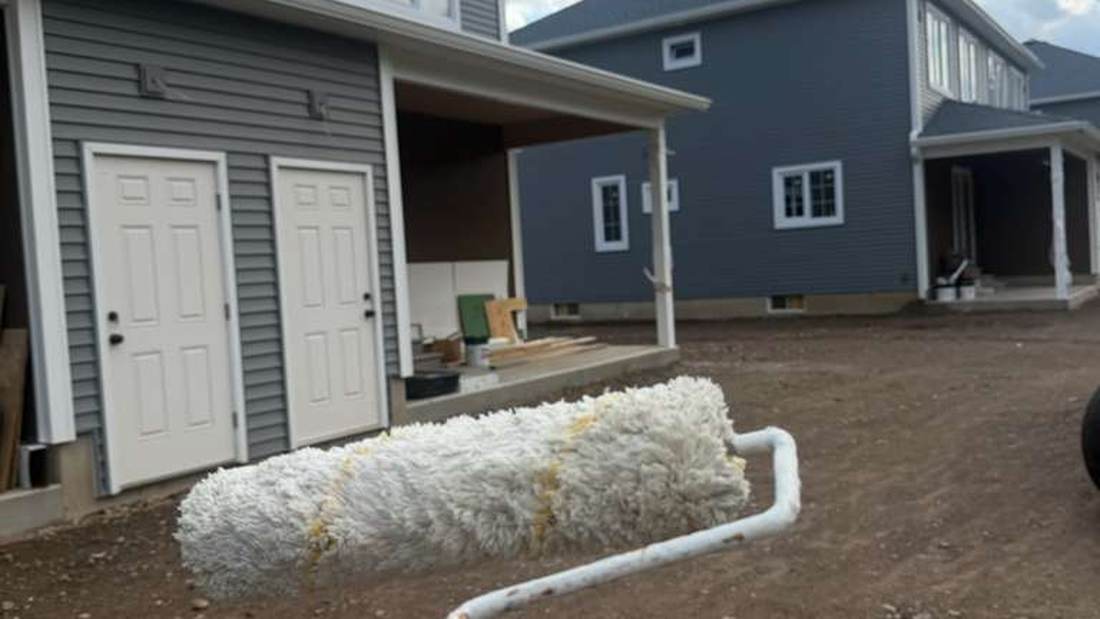
Exterior Painting
Protecting Your Home's Exterior Paint from Summer Sun Damage
Summer UV rays fade and crack exterior paint faster than you think. Learn how Western MA homeowners can protect their homes before damage sets in.
Why Summer Sun Is Hard on Exterior Paint
New England summers are short, which makes them feel harmless. But from June through August, Western Massachusetts gets intense UV exposure — often combined with high humidity and wide temperature swings. That combination is especially rough on exterior paint. UV radiation breaks down the chemical bonds in paint pigments, causing colors to fade and surfaces to chalk. Heat causes the paint film to expand and contract repeatedly, which leads to cracking and peeling over time.
Dark colors absorb more heat and tend to fade faster, but lighter colors are not immune. South- and west-facing walls take the hardest beating because they receive the most direct afternoon sun. If you have noticed your trim looking washed out or your siding starting to look dull by mid-August, UV degradation is the most likely cause.
Choosing the Right Paint for UV Resistance
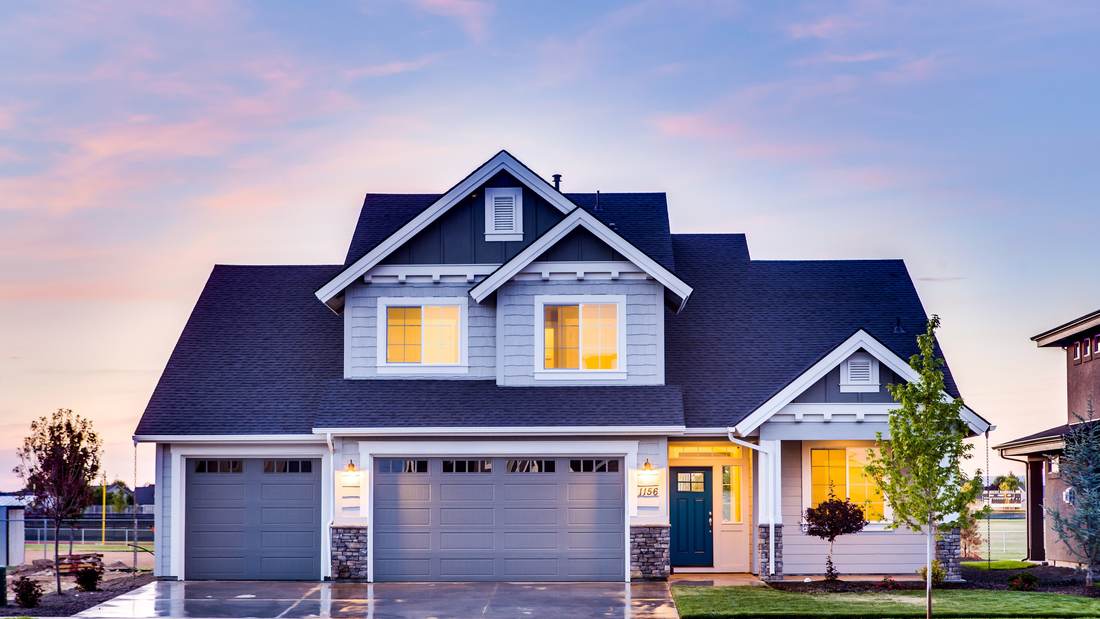
Not all exterior paints are built the same. When selecting a product for sun-exposed surfaces, look for these specific features:
- 100% acrylic latex formula — acrylic binders hold up better under UV stress than oil-based or vinyl-acrylic blends.
- UV-reflective pigments — premium lines from manufacturers like Sherwin-Williams include pigments engineered to deflect solar radiation rather than absorb it.
- Higher sheen levels — satin and semi-gloss finishes repel moisture more effectively than flat paints, which matters during humid Western MA summers.
- Mildew resistance — humidity creates mold conditions that compound UV damage, so a built-in mildewcide is worth paying for.
Spending a little more on a premium exterior paint typically means a longer repaint cycle — which saves money over the long run and keeps your home looking sharp through more New England seasons.
Surface Preparation: The Step That Determines How Long Paint Lasts
Even the best paint fails early on a poorly prepared surface. Before any coating goes on, the existing surface needs to be clean, dry, and stable. For summer projects in Agawam, Westfield, Southampton, and surrounding towns, that means working around the region's morning dew and afternoon thunderstorms.
Cleaning and Repairs
Power washing removes dirt, mildew, and chalking left by old paint. Allow at least 24 to 48 hours of dry time before painting — painting over damp wood is one of the fastest ways to cause blistering. Fill any cracks or gaps in siding with a paintable exterior caulk rated for temperature extremes. Rotted wood sections should be replaced, not painted over.
Priming for Adhesion
Bare wood and previously painted surfaces that have been sanded or stripped need a quality exterior primer. Primer creates the mechanical bond that keeps your topcoat anchored to the substrate through months of heat and UV exposure. Skipping primer to save time almost always shortens the life of the paint job.
Would you rather we handled it? Estimates are always free.
Get a Free EstimateTiming Your Exterior Paint Project
In Western Massachusetts, the ideal exterior painting window runs from late May through early October. Summer itself is workable, but you need to be strategic. Paint should be applied when surface temperatures are between 50 and 90 degrees Fahrenheit and when no rain is expected for at least 24 hours after application.
Avoid painting in direct midday sun. Hot surfaces cause paint to dry too fast, which traps solvents and leads to blistering. Early morning — after dew has burned off — is usually the best start time for south- and west-facing walls. Move with the shade when you can. A professional crew familiar with the local climate will plan the work sequence around sun exposure automatically, which is one reason our exterior painting service makes sense for larger projects where timing and staging matter.
Ongoing Maintenance to Extend Paint Life
Even a professionally applied, UV-resistant coat needs attention between repaints. A quick annual inspection can catch small problems before they become expensive repairs.
What to Look For Each Spring
Walk the perimeter of your home after winter and note any areas where paint is cracking, peeling, or showing chalky residue. Pay special attention to areas directly above windows and doors, where water can pool, and to south-facing walls that absorbed the most sun the previous summer. Catching a small peeling section in April is far less costly than letting it grow through another summer.
Simple Steps That Add Years to Your Paint Job
Rinse your siding with a garden hose once or twice during the summer to remove pollen, dust, and airborne grime that accelerate surface degradation. Keep gutters clear so water does not overflow and run down painted walls. Trim back shrubs and tree limbs that press against the siding — trapped moisture from vegetation is a common cause of premature paint failure in areas like Holyoke and Springfield where mature trees are common.
According to the National Association of Home Builders, regular exterior maintenance can significantly extend the service life of painted surfaces and delay costly full repaints.
Frequently Asked Questions
How often should I repaint my home's exterior in Western Massachusetts?
Most homes in the region need a full exterior repaint every five to ten years, depending on the paint quality, surface type, and sun exposure. South- and west-facing walls may show wear sooner and sometimes need touch-ups between full repaints. Annual inspections help you catch problems early and extend the overall cycle.
What paint colors hold up best against UV fading?
Medium-toned colors in the tan, gray, and greige families tend to show fading less visibly than deep saturated colors or stark whites. That said, the quality of the paint matters more than the color — a premium acrylic in any shade will outlast a budget product. Ask your painter about fade-resistant product lines before committing to a color.
Can I paint my home's exterior in the middle of summer?
Yes, summer painting is entirely possible if you time it correctly. Avoid applying paint to surfaces in direct, intense sunlight and aim for surface temperatures below 90 degrees Fahrenheit. Early morning application on sun-exposed walls and good shade management throughout the day produce the best adhesion and finish.
Is it worth paying more for a UV-resistant exterior paint?
In most cases, yes. Premium UV-resistant paints typically carry longer manufacturer warranties and maintain their appearance through more seasonal cycles before needing recoating. The higher upfront cost is usually offset by a longer repaint interval, which saves both money and disruption over the life of the home.
How do I know if my existing paint is chalking from UV damage?
Run your hand along the siding — if a chalky, powdery residue comes off on your palm, the paint binder has broken down from UV exposure. Chalking is normal at the end of a paint's life cycle, but heavy chalking on a relatively new paint job suggests the product was not suited for the sun exposure your home receives. The surface needs to be cleaned and reprimed before any new coat is applied.
They Also Read
5 Common Exterior Painting Mistakes Homeowners Make (and How to Avoid Them)
Avoid the most costly exterior painting mistakes Western MA homeowners make. Learn what goes wrong and how to...
Read more →
5 Signs It's Time to Repaint Your Home's Exterior
Fading paint, peeling edges, and rising energy bills are warning signs. Learn the 5 signals that tell Western...
Read more →Ready for a free estimate?
Tell us about your project and we will get you a straight answer on price and timing.