Pressure Washing
Pressure Washing vs. Soft Washing: Which Is Right for Your Siding?
Not sure whether to pressure wash or soft wash your siding? Learn which method protects your home and delivers lasting results in Western MA.
Why the Method You Choose Matters More Than You Think
Walk around any neighborhood in Agawam or Southampton in late spring and you will see the same thing: siding streaked with green algae, black mildew, and the dingy gray film that builds up through a New England winter. The instinct is to grab the highest-pressure setting available and blast it all away. But the method you choose to clean your siding is not a small decision. Use the wrong approach on the wrong material and you can force water behind your clapboards, strip paint, crack vinyl, or carve permanent grooves into wood. Understanding the difference between the two main options gives you the information you need before any water touches your home.
What Is Pressure Washing and When Does It Make Sense?
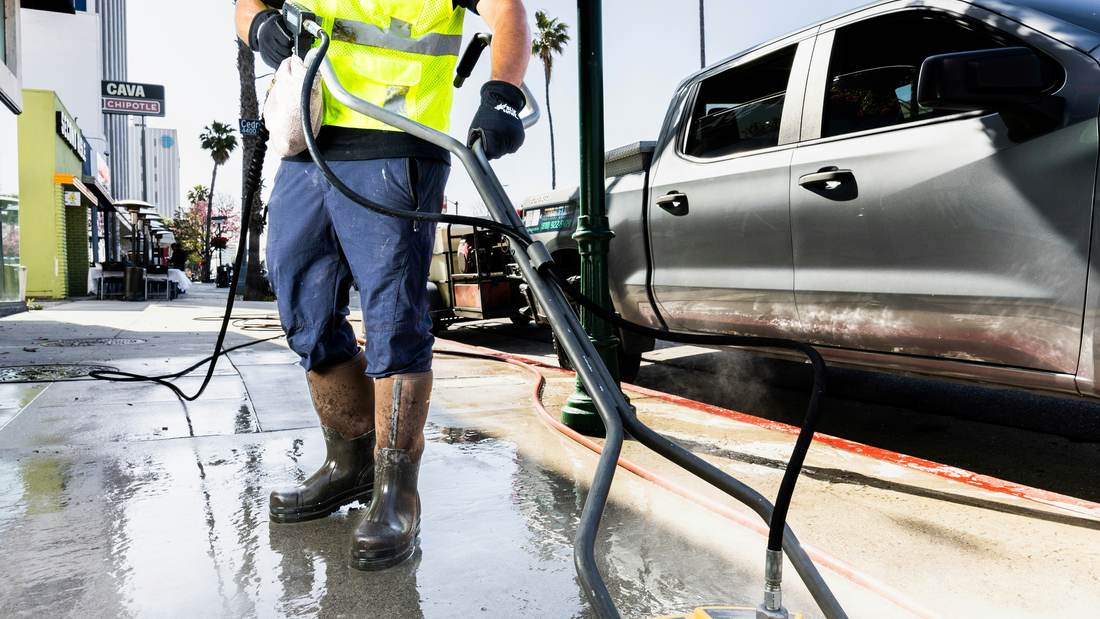
Pressure washing uses a motorized pump to deliver water at high force, typically between 1,500 and 4,000 PSI depending on the equipment. That force does the cleaning work. Dirt, paint chips, and heavy grime break apart under the impact rather than being dissolved by a cleaning agent.
Best surfaces for pressure washing
High-pressure cleaning is well-suited to hard, non-porous surfaces that can take the impact without absorbing water or splintering. Think concrete foundations, brick walkways, poured-concrete steps, and masonry retaining walls. Many homeowners in Springfield and West Springfield have older homes with brick or stone foundation walls that benefit from a thorough high-pressure rinse every few years.
When pressure washing becomes a problem
The same force that strips grime off concrete can damage softer siding materials. Vinyl siding, fiber cement, wood clapboards, and painted surfaces all carry real risk when hit with pressure above roughly 1,200 to 1,500 PSI at close range. Water can get under lap joints and soak insulation or sheathing, leading to mold growth hidden inside the wall cavity. On older painted wood, high pressure can lift paint and create prep work that costs you far more than the cleaning saved. For homes built before 1978, disturbing deteriorated paint also raises lead safety concerns that the EPA addresses through specific work practice rules.
What Is Soft Washing and How Does It Work?
Soft washing flips the equation. Instead of relying on force, it uses low water pressure, typically under 500 PSI, combined with a detergent or biocide solution to do the actual cleaning. The solution is applied to the surface, allowed to dwell, and then rinsed away gently. The chemistry kills algae, mold spores, mildew, and bacteria at the root rather than just knocking the visible growth off the surface.
Why soft washing lasts longer
Because soft washing kills the organisms causing the staining rather than scrubbing them off mechanically, the results tend to last significantly longer. A pressure-washed surface may look clean for a season, but if the algae spores survive in cracks and joints, regrowth comes back quickly. A properly applied soft wash treatment can keep siding looking clean for two to three years in typical Western Massachusetts conditions, where warm, humid summers give mold and algae ideal growing conditions.
Surfaces where soft washing excels
Soft washing is the right choice for vinyl siding, wood clapboards, cedar shingles, EIFS or synthetic stucco, painted surfaces, and any siding where water intrusion is a concern. It is also the safer approach for roofs, screens, and areas near landscaping, since the rinsing pressure is low enough to avoid damaging plants or dislodging caulk around windows and doors.
Would you rather we handled it? Estimates are always free.
Get a Free EstimateHow New England Climate Shapes the Decision
Western Massachusetts gets a full four seasons, and each one deposits something different on your siding. Winter road salt and sand carried by wind can embed in textured surfaces. Spring brings pollen and the first wave of algae growth as temperatures climb. Summer humidity in the Connecticut River valley accelerates mildew. Fall leaves pressed against siding by rain leave tannin stains. This variety means most homeowners are not dealing with just one type of soiling at any given time.
For a typical vinyl or wood-sided home coming out of winter in Holyoke or Westfield, soft washing addresses the biological growth that accounts for most of the visible discoloration, while low-pressure rinsing handles the physical debris. Reserving higher pressure for concrete and masonry surfaces around the home, rather than the siding itself, is the approach that protects your investment year after year. To get a better sense of what this looks like as a complete service, our pressure washing service walks through the specifics of exterior cleaning for homes in this region.
Practical Tips Before You Book a Cleaning
Whether you are getting quotes or planning to handle a small section yourself, a few checks will help you make a better decision.
- Identify your siding material. Vinyl, fiber cement, wood, stucco, and brick each have different tolerances. If you are not sure, a quick look at your original home inspection report or a call to your builder will clarify it.
- Look for existing damage first. Loose boards, cracked caulk, and peeling paint should be addressed before any washing. Water will find every gap.
- Ask about the cleaning solution. A reputable exterior cleaning professional should be able to tell you what biocide or detergent they use and confirm it is appropriate for your siding type and safe for nearby plants.
- Check the forecast. Soft wash solutions need dwell time to work. Rain within a few hours of application reduces effectiveness. In New England, a window of two dry days before and after is a reasonable target.
- Get clarity on PSI. If someone quotes you a pressure washing job for vinyl or wood siding without mentioning low-pressure application or soft washing, ask specifically what PSI they plan to use on the siding itself.
Frequently Asked Questions
Can I pressure wash vinyl siding myself?
You can, but you need to keep the pressure below 1,500 PSI and hold the wand at a downward angle so water does not get under the lap joints. Most consumer-grade electric pressure washers stay within a safe range, but gas-powered units often exceed it. If you are not confident in controlling the angle and distance consistently, soft washing is the lower-risk choice for a DIY approach.
How often should I have my siding washed in Western Massachusetts?
Most homes benefit from an exterior wash every one to two years, with soft washing treatments often lasting closer to two to three years before visible regrowth appears. Homes near wooded areas, like many in Southampton, or those with significant north-facing siding tend to accumulate algae faster and may need attention more frequently.
Is the cleaning solution used in soft washing safe for my garden?
Professional soft wash solutions are diluted before application, and a thorough pre-wetting and post-rinse of nearby plants reduces any risk significantly. Most of the biocide products used are designed to break down quickly once rinsed and diluted. Ask your service provider to identify the active ingredients so you can review the safety data if you have specific plants you are concerned about.
Will washing my siding void its warranty?
Some vinyl and fiber cement siding manufacturers specify maximum pressure limits in their warranty terms, so using high pressure above those thresholds can void coverage. Soft washing at low pressure typically stays within manufacturer guidelines. It is worth pulling out your siding documentation or looking up the manufacturer's care instructions before scheduling any exterior cleaning.
Should I wash my siding before repainting?
Yes, cleaning siding before painting is considered a necessary prep step because paint applied over dirt, mildew, or chalky old paint will not adhere properly and will fail much sooner. the EPA also notes that disturbing old painted surfaces during prep requires care on pre-1978 homes. A clean, dry, properly prepared surface is the foundation of a paint job that lasts.
They Also Read
How Much Does Pressure Washing Cost in Springfield & Holyoke, MA?
Wondering what pressure washing costs in Springfield or Holyoke, MA? Get local price ranges, what affects your...
Read more →
Power Washing Before Summer Entertaining: Deck, Patio & Siding
Get your deck, patio, and siding ready for summer entertaining with power washing tips built for Western MA...
Read more →Ready for a free estimate?
Tell us about your project and we will get you a straight answer on price and timing.