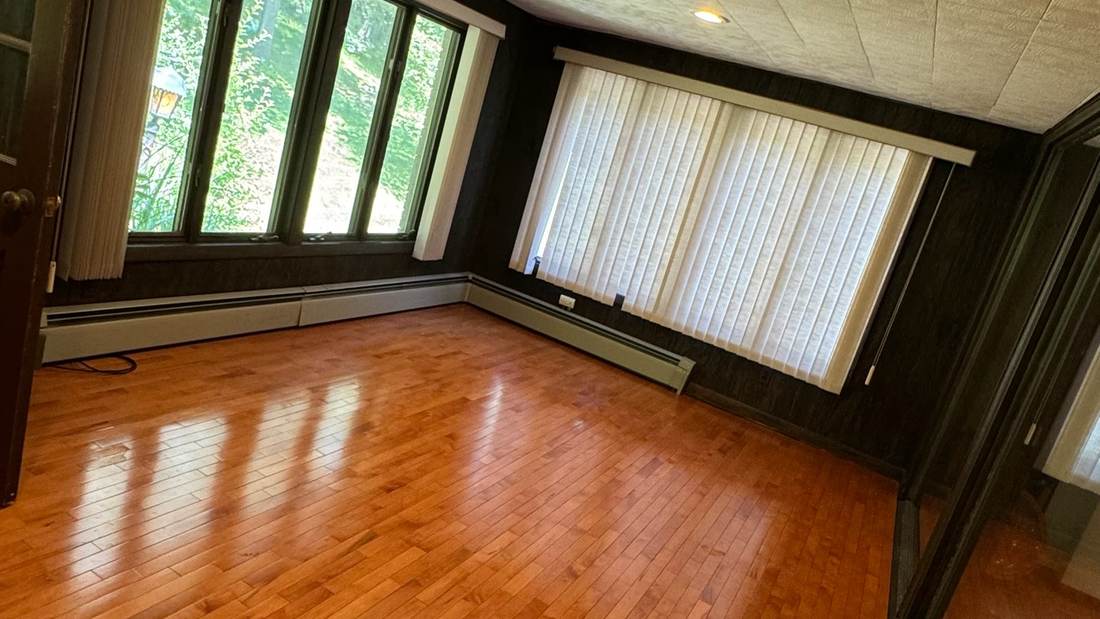
Laminate Flooring
Laminate vs. Hardwood Flooring: Cost, Durability & Best Choice for Massachusetts Homes
Comparing laminate vs. hardwood flooring for Western Massachusetts homes? Get cost, durability, and climate-specific advice to make the right choice.
Why Flooring Choice Matters More in New England
Western Massachusetts homeowners face a flooring challenge that buyers in milder climates do not: dramatic seasonal swings. Temperatures in Westfield and Southampton can drop well below freezing in January and climb into the 90s by July. That kind of humidity and temperature variation puts real stress on floor materials year after year. Choosing between laminate and hardwood is not just a style decision here — it is a practical one that affects how long your floor lasts and how much you spend maintaining it.
Cost Breakdown: What You Will Actually Pay
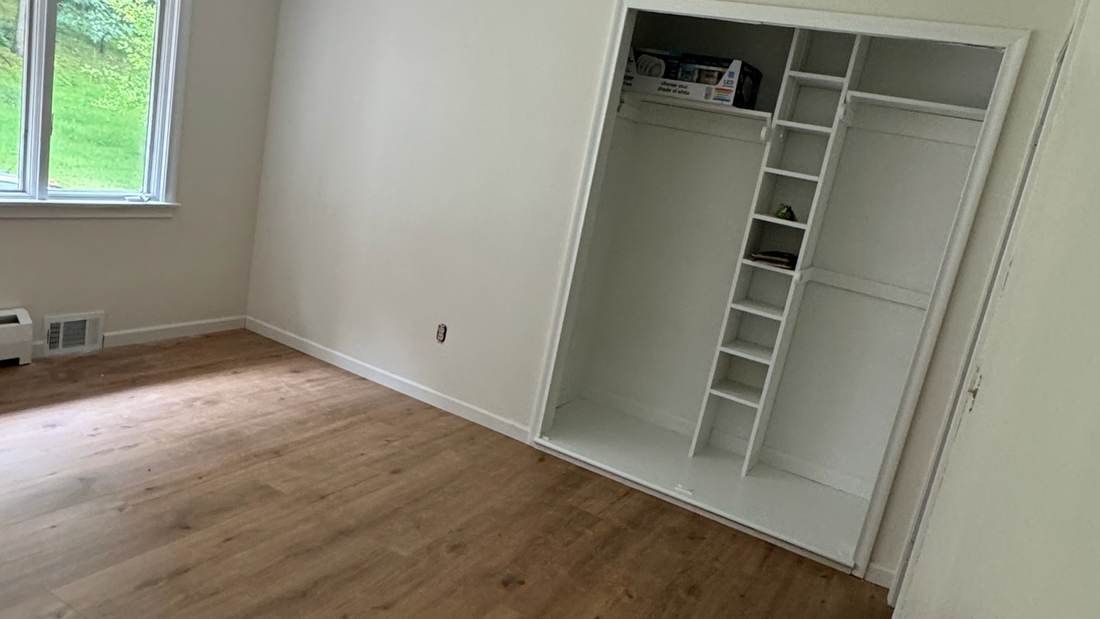
Budget is usually the first question homeowners ask, and the honest answer is that both options cover a wide price range.
Laminate Flooring Costs
Laminate typically runs between $1 and $5 per square foot for materials, with mid-grade products landing around $2 to $3. Add professional installation and you are usually looking at $3 to $8 per square foot all-in. For a 400-square-foot living room in Agawam or West Springfield, that puts your total somewhere between $1,200 and $3,200. Entry-level laminate has improved enormously in recent years, with realistic wood-grain textures and stronger wear layers that hold up far better than older versions.
Hardwood Flooring Costs
Solid hardwood starts around $4 to $6 per square foot for common domestic species like oak or maple, and can exceed $10 for exotic or wide-plank options. Installation adds another $3 to $5 per square foot because the boards must be nailed or stapled to a subfloor and then sanded and finished in place. A 400-square-foot room in hardwood could run $2,800 to $6,000 or more. Engineered hardwood — a real wood veneer over a plywood core — falls between the two in price and behaves a bit better in variable humidity.
Durability and Lifespan in a Four-Season Climate
Hardwood has an undeniable advantage when it comes to longevity. the National Association of Home Builders identifies hardwood floors as one of the longest-lasting finish materials in residential construction, often exceeding 100 years when properly maintained. The key phrase is 'properly maintained,' and that is where New England's climate complicates things.
Solid hardwood expands and contracts with humidity changes. Springfield homes that run forced-air heat through the winter drop indoor humidity significantly, causing boards to shrink and gap. In summer, humidity rises and boards swell. Over years, this cycling can cause cupping, cracking, or squeaking. A whole-home humidifier helps, but it is an added expense to factor in.
Laminate handles humidity swings better than solid hardwood because its fused-fiber core is more dimensionally stable. However, laminate has a critical weakness: water. Standing water — from a spill, a leaky dishwasher, or a wet dog shaking off after a walk — can swell the core permanently. Once laminate is water-damaged, it typically needs to be replaced rather than repaired.
Scratch and Wear Resistance
Modern laminate with an AC3 or AC4 wear rating resists surface scratches better than most unfinished hardwood. Families with dogs, kids, or heavy foot traffic will notice this difference. Hardwood, on the other hand, can be sanded and refinished multiple times over its life — a repair option laminate simply does not offer.
Indoor Air Quality Considerations
This is a point many homeowners overlook. Some laminate products manufactured before stricter standards were in place contained elevated levels of formaldehyde in the binders used in their core layers. the EPA provides guidance on formaldehyde emissions from composite wood products and sets standards that reputable manufacturers now follow. When shopping for laminate, look for products certified to CARB Phase 2 standards or labeled as FloorScore certified — both indicate low chemical emissions, which matters especially in tighter, well-insulated New England homes where ventilation is limited during winter months.
Solid hardwood and properly finished engineered hardwood generally have lower off-gassing concerns, though the finish products used during installation and refinishing should also be evaluated for VOC content.
Would you rather we handled it? Estimates are always free.
Get a Free EstimateWhich Floor Fits Which Room?
Rather than picking one material for your whole home, many Holyoke and Springfield homeowners use both strategically. Here is a practical room-by-room guide.
- Living rooms and dining rooms: Either works well. Hardwood adds resale value; laminate saves money upfront without a dramatic visual difference.
- Bedrooms: Both are excellent choices. Laminate is quieter underfoot with a foam underlayment, which helps in upper-floor bedrooms above unheated spaces.
- Kitchens: Laminate is riskier here because of water exposure. Engineered hardwood or tile is a safer call. If you love the wood look in a kitchen, choose a high-quality waterproof luxury vinyl plank instead.
- Basements: Neither solid hardwood nor standard laminate belongs in a below-grade basement. Moisture migrates through concrete slabs year-round. Waterproof luxury vinyl plank is the right product for finished basements in Western Massachusetts.
- Mudrooms and entryways: Skip both here. These spaces take the most abuse from snow, salt, and mud tracked in from November through March. Tile or stone is the practical choice.
If you are planning a flooring project and want professional input on what works best for your specific layout and subfloor conditions, our laminate flooring service can connect you with experienced local help.
Resale Value: Does the Floor Type Matter to Buyers?
In Western Massachusetts's competitive housing market, flooring does affect buyer perception. Real hardwood floors consistently rank as a desirable feature and can support a higher asking price. That said, the return on investment depends heavily on the neighborhood, home price point, and condition of the floors at time of sale.
For a starter home in the $250,000 to $350,000 range in Springfield or West Springfield, upgrading to hardwood may not yield a dollar-for-dollar return. High-quality laminate in excellent condition reads well to buyers and keeps your renovation budget intact for higher-impact upgrades like kitchens and bathrooms. For homes priced above $450,000, especially in Southampton or Westfield where buyers have more specific expectations, solid or engineered hardwood is worth the investment.
The bottom line: if you plan to sell within five years, think carefully about your price point before committing to a premium floor. If you plan to stay for ten or more years, choose the material you genuinely love living with — both options, installed well and maintained properly, will serve you for a long time.
Frequently Asked Questions
Is laminate flooring a good choice for Massachusetts winters?
Laminate handles temperature swings reasonably well, but the dry heat common in New England homes during winter is less of a problem for laminate than for solid hardwood. The bigger concern is moisture from snow and slush tracked indoors, so use quality entry mats and wipe up standing water promptly to protect laminate edges and seams.
Can hardwood floors be installed over radiant heat?
Engineered hardwood is the preferred choice over radiant heating systems because its layered construction resists the expansion and contraction caused by floor-level heat. Solid hardwood can be used over radiant heat in some cases, but it requires careful acclimation and a maximum floor temperature of around 80 degrees Fahrenheit — always check the manufacturer's specifications before proceeding.
How long does laminate flooring last in a high-traffic home?
Quality laminate with an AC3 or higher wear rating typically lasts 15 to 25 years in a busy household. Lifespan depends heavily on the wear layer thickness, how well seams are protected from moisture, and whether the floor is cleaned with appropriate products rather than wet mops or steam cleaners, which can cause swelling and joint damage.
Does hardwood flooring increase home resale value?
Hardwood flooring is widely viewed as a value-adding feature by homebuyers and real estate professionals. The actual return varies by market and home price point, but in Western Massachusetts, real hardwood floors tend to make homes more attractive to buyers and can support a stronger asking price, particularly in the mid-to-upper price tiers.
What is the easiest flooring to maintain in a home with pets?
Laminate with a high AC rating resists surface scratches from pet nails better than most unfinished hardwood, making it a practical pick for pet owners. However, households with dogs that track in water and mud should pay close attention to keeping seams dry, as repeated moisture exposure is the fastest way to shorten laminate's lifespan.
They Also Read
Ready for a free estimate?
Tell us about your project and we will get you a straight answer on price and timing.