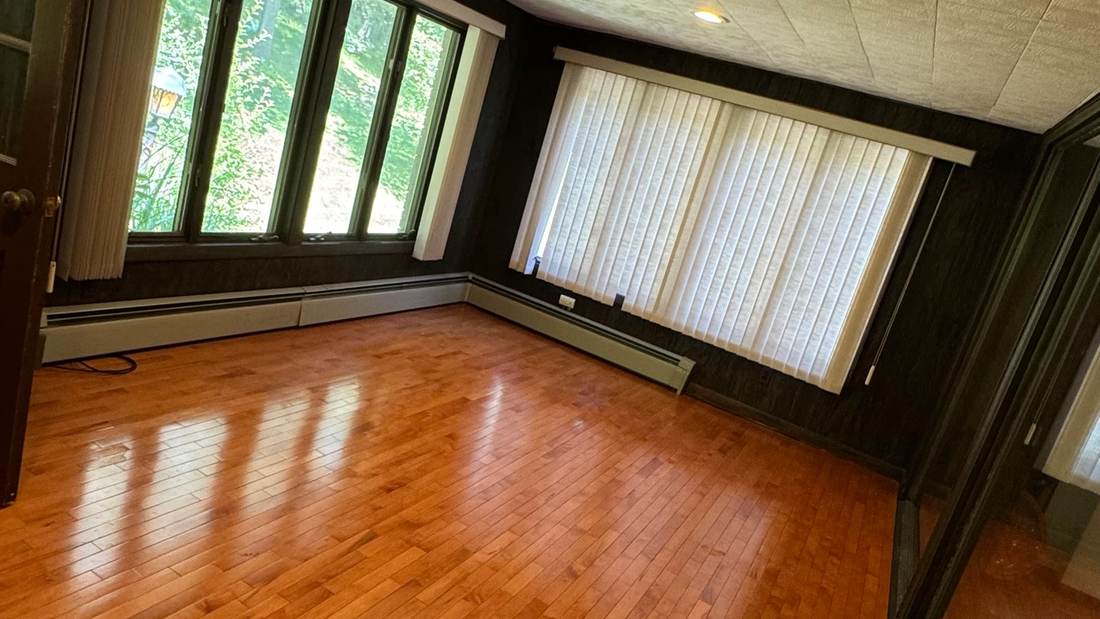
Laminate Flooring
Laminate Flooring 101: What Western Mass Homeowners Should Know
Thinking about laminate flooring in Western Massachusetts? Learn what to look for, how New England climate affects your choice, and what installation really costs.
Why Laminate Flooring Appeals to So Many Western Mass Homeowners
From triple-deckers in Holyoke to ranch-style homes in Southampton, Western Massachusetts has a remarkably varied housing stock. Many of those homes have original hardwood that is worn through, subfloors that are uneven, or budgets that simply do not stretch to solid wood. Laminate flooring sits in a sweet spot: it looks great, holds up to daily punishment, and costs significantly less than real hardwood or stone tile.
The technology has improved dramatically over the past decade. Modern laminate uses a high-density fiberboard core topped with a photographic layer and a tough wear layer, often rated in AC (Abrasion Class) levels from AC1 to AC5. For a busy household in Agawam or West Springfield with kids and pets, an AC3 or AC4 rating is usually the right starting point. AC5 is commercial grade and rarely necessary in a home setting.
How New England Climate Affects Your Flooring Decision
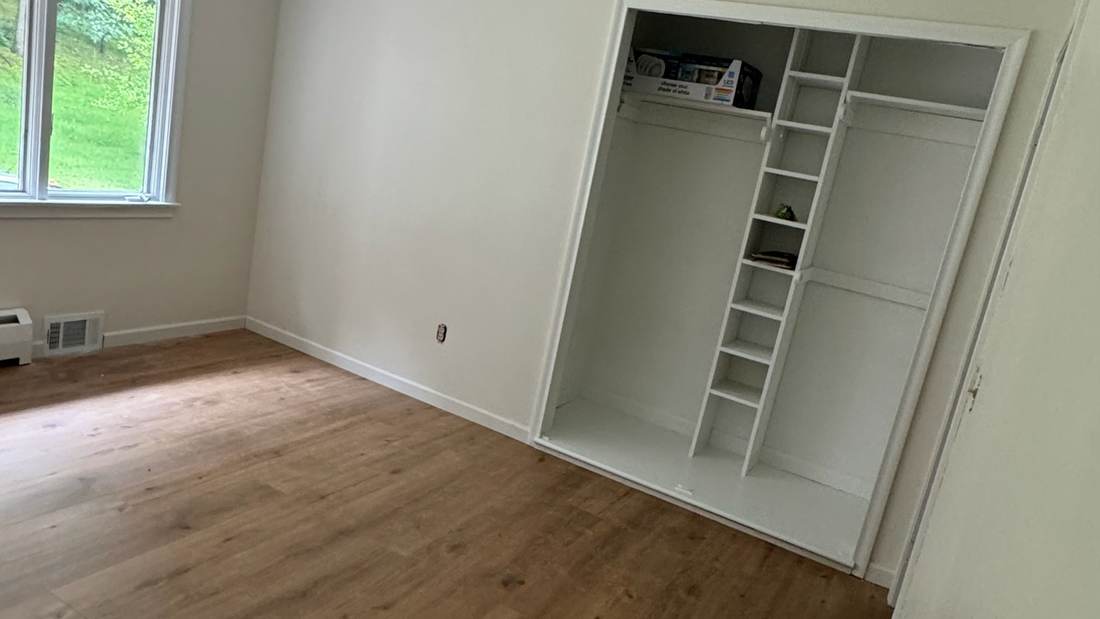
This is the detail that matters most and that online buying guides from warmer states tend to skip entirely. Western Massachusetts experiences true four-season swings: humid summers where indoor relative humidity can climb above 60 percent, and dry winters when forced-air heating pulls moisture out of the air and pushes relative humidity below 30 percent. That range of movement stresses any wood-based product.
Moisture and the AC Rating Are Not the Same Thing
AC ratings measure scratch and abrasion resistance, not water resistance. For any room where moisture is a regular factor, look specifically for laminate that carries a water-resistance rating or is labeled as waterproof core. These products use a plastic composite core instead of standard fiberboard and can handle the occasional spill or the slow drip that happens when a window is left open during an August rainstorm in Springfield.
Acclimation Is Not Optional
Before installation, laminate planks need to sit inside your home, in the room where they will be installed, for at least 48 to 72 hours. This allows the material to adjust to your home's actual temperature and humidity. Skipping this step is one of the most common reasons planks buckle or gap after installation. In New England, acclimation matters more than in climate-controlled markets because the baseline humidity varies so much by season.
Would you rather we handled it? Estimates are always free.
Get a Free EstimateWhat to Know Before You Buy
Shopping for laminate involves more choices than most homeowners expect. Thickness, finish texture, plank width, and locking mechanism all affect how the floor looks and how long it lasts. Here is a practical breakdown.
Thickness
Laminate typically ranges from 6 mm to 12 mm thick. Thinner planks are cheaper but feel hollow underfoot and transmit more sound. For a main living area or a bedroom above a basement, 8 mm to 12 mm is worth the extra investment. The thicker the plank, the more it mimics the feel of real wood.
Underlayment
Some laminate comes with underlayment already attached to the back of each plank. If yours does not, you will need to install a separate foam or cork underlayment before laying the floor. Underlayment serves three purposes: it smooths out minor subfloor imperfections, provides a slight cushion underfoot, and reduces sound transmission, which matters a great deal in multi-story homes.
Finish and Texture
Laminate today comes in smooth gloss, hand-scraped, wire-brushed, and embossed textures. High-gloss finishes show scratches and dust more readily, which is worth considering if you have pets. Matte and textured finishes are more forgiving and tend to look more like real hardwood up close.
Installation: DIY or Professional?
Laminate uses a floating floor system, meaning the planks click together and are not glued or nailed to the subfloor. In theory, this makes it a DIY-friendly product. In practice, the results depend heavily on subfloor preparation. A subfloor that is not flat within the manufacturer's tolerance, typically 3/16 of an inch over 10 feet, will cause planks to rock, separate at the joints, or creak with every step.
Cutting around door casings, floor vents, and irregular room shapes also requires patience and the right tools. If you are comfortable with a miter saw and have done finish work before, a straightforward rectangular room is very manageable as a weekend project. For older homes in Springfield or Westfield with irregular layouts, bay windows, or significant subfloor leveling needed, professional installation will save you time and prevent costly mistakes. To get a sense of what professional installation covers, our laminate flooring service is a good place to start.
Realistic Cost Expectations in Western Massachusetts
Material costs for laminate flooring generally run between one dollar and four dollars per square foot for the product itself, depending on thickness, brand, and water resistance features. Add underlayment, transition strips, and quarter-round molding and the material total rises. Professional installation labor in Western Massachusetts typically adds another two to four dollars per square foot, though subfloor preparation work is usually priced separately if it is needed.
For a 300-square-foot living room, a realistic all-in budget for mid-grade laminate with professional installation falls between twelve hundred and twenty-four hundred dollars, depending on the condition of the existing subfloor and the complexity of the room. That is a wide range, which is why getting a specific quote matters more than relying on national averages.
the National Association of Home Builders tracks material and labor cost data that can help you benchmark what you are quoted and understand what drives pricing in different regions of the country.
Frequently Asked Questions
Is laminate flooring a good choice for a basement in Western Massachusetts?
Waterproof-core laminate can work in a basement, but only if moisture control is already in place. Basements in our region often see humidity spikes in late spring and summer, and no flooring product performs well on a consistently damp slab. Address any water infiltration and consider a dehumidifier before installing any flooring below grade. the EPA offers guidance on controlling indoor moisture that applies directly to basement environments.
How long does laminate flooring typically last?
A quality laminate floor in a residential setting lasts between 15 and 25 years with proper care. The wear layer AC rating, the amount of foot traffic, and how well the floor is maintained all influence lifespan. Avoiding wet mopping and using manufacturer-approved cleaners makes a meaningful difference over time.
Can laminate flooring be refinished like hardwood?
No, laminate cannot be sanded or refinished. Once the wear layer is scratched through or the surface is significantly damaged, replacement is the only option. This is one of the key trade-offs compared to solid hardwood, which can be refinished multiple times over its life.
What is the best way to clean laminate floors?
A dry microfiber mop or vacuum on a hard-floor setting is the safest routine method. For sticky spots, use a slightly damp cloth with a laminate-specific cleaner. Avoid steam mops entirely, as excess heat and moisture can cause the planks to swell and the joints to separate.
Do I need permits to install laminate flooring in Massachusetts?
In most cases, replacing flooring in a residential home does not require a building permit in Massachusetts. However, if the project involves structural subfloor repairs or significant alterations, it is worth checking with your local building department. Requirements can vary by municipality, so confirming with Westfield, Agawam, or your specific city is always the safest approach.
They Also Read
Ready for a free estimate?
Tell us about your project and we will get you a straight answer on price and timing.