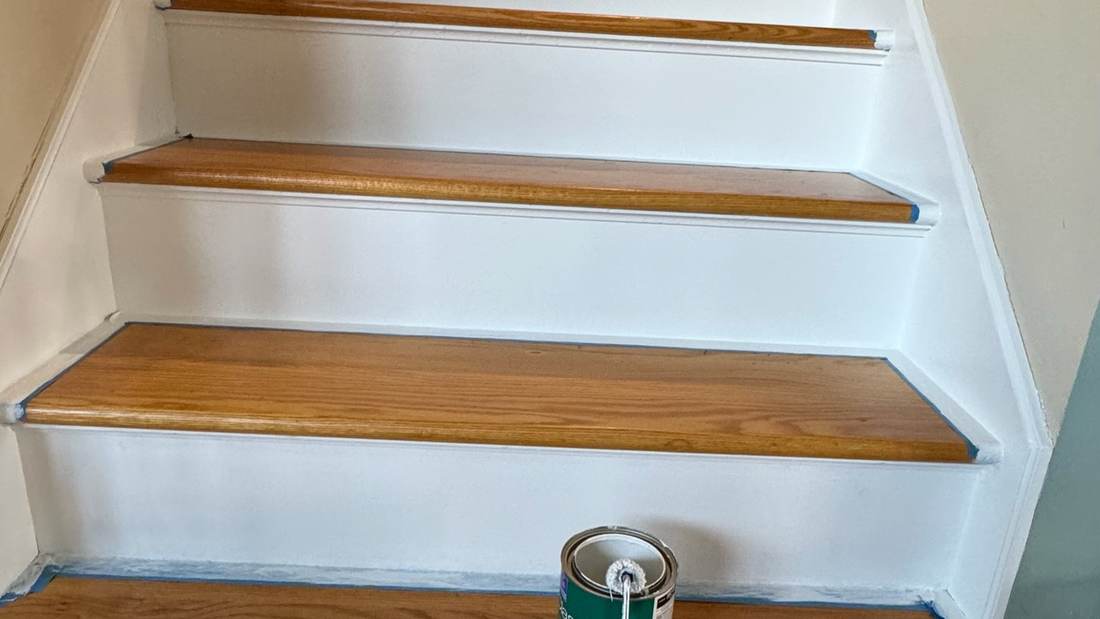
Interior Painting
How Much Does It Cost to Paint a Room in Western Massachusetts?
Wondering what it costs to paint a room in Western MA? Get real price ranges, what drives costs up or down, and tips to get the most from your budget.
What Homeowners in Western Massachusetts Are Paying to Paint a Room
If you've been quoted anywhere from $300 to $900 to paint a single room and wondered whether that's fair, you're not alone. Prices vary widely depending on room size, ceiling height, surface condition, and the paint itself. In Western Massachusetts, where older housing stock is common in cities like Springfield, Holyoke, and Westfield, surface prep often plays a bigger role in the final price than homeowners expect.
As a general benchmark, most interior rooms in this region fall between $400 and $700 for professional labor and materials combined. A small bedroom with standard 8-foot ceilings and walls in good shape sits at the lower end. A larger living room with architectural trim, higher ceilings, or walls that need patching pushes the number higher. These are not national averages adjusted with a formula — they reflect what painters are actually charging in the Pioneer Valley right now.
The Factors That Move the Price Up or Down
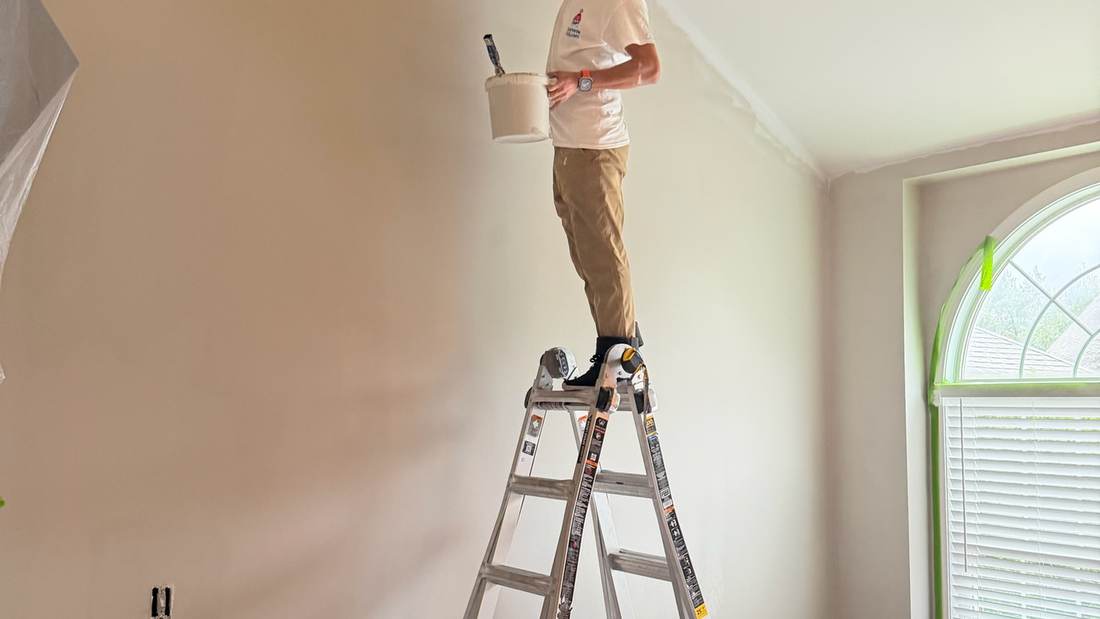
Understanding what drives cost gives you real leverage when comparing quotes.
Room Size and Ceiling Height
Painters typically price interior work by the square foot of paintable surface, not floor area. A room that is 12 by 14 feet with 8-foot ceilings has roughly 660 square feet of wall surface. Bump those ceilings to 10 feet and you're closer to 830 square feet — nearly 25 percent more wall to cover without changing the footprint at all. Many older homes in West Springfield and Agawam have plaster walls that run taller than modern drywall construction, so this factor comes up often.
Surface Condition and Prep Work
Prep is where professional painters earn their fee. Cracked plaster, nail pops, water stains, or glossy surfaces that need sanding all add time before a single stroke of paint is applied. Expect to pay an additional $50 to $150 per room when significant patching is required. If the existing color is very dark or very saturated — a deep red accent wall, for example — an extra coat of primer or paint may be needed, which adds both time and material cost.
Paint Quality and Sheen
The paint itself matters more than most homeowners realize. A premium zero-VOC interior paint from a professional-grade line costs $60 to $80 per gallon, compared to $30 to $40 for a builder-grade product. For a standard bedroom, you might use two gallons of wall paint and a quart of trim paint, so the upgrade costs $50 to $80 more in materials but can mean better coverage, a more durable finish, and fewer coats. Sherwin-Williams publishes coverage and performance data that helps contractors and homeowners make informed product choices.
Number of Colors and Accent Walls
Switching colors mid-job slows a painter down. Each color transition requires tape, a separate tray, and careful cut-in work. An accent wall in a different color typically adds $75 to $150 to the job. Two-tone rooms or ceilings painted a color other than white can add a similar amount.
Lead Paint and Older Homes: A Cost Factor You Can't Ignore
Western Massachusetts has a large inventory of homes built before 1960, particularly in Holyoke, Springfield, and Chicopee. If your home was built before 1978, there is a real chance that existing paint layers contain lead. For homes built before 1978, the EPA sets the rules for disturbing lead paint — contractors must follow the Renovation, Repair, and Painting (RRP) rule, which requires certified firms and specific containment and cleanup procedures. This compliance adds cost, but it also protects your family and is legally required. If a contractor quotes you an unusually low price on an older home without mentioning lead safety protocols, that's a red flag worth taking seriously.
Would you rather we handled it? Estimates are always free.
Get a Free EstimateDIY vs. Hiring a Pro: Honest Numbers
Painting a room yourself cuts the labor cost entirely, which typically makes up 60 to 80 percent of a professional quote. On a $600 job, you might spend $120 to $150 on paint and supplies. That's a real saving — but the honest trade-off is time, skill, and physical effort. A professional crew can complete a standard bedroom in four to six hours. A homeowner doing it for the first time, accounting for prep, two coats, and cleanup, often stretches that to a full weekend.
For rooms with high ceilings, detailed trim work, or surfaces that need significant repair, the gap between a DIY result and a professional one is often visible. For a straightforward spare bedroom with no major issues, DIY is a reasonable choice for a patient homeowner. For main living spaces or rooms with complications, most homeowners find the professional result worth the difference. To get a sense of what professional interior work looks like in your area, our interior painting service lays out the process clearly.
New England Seasons and Timing: Does It Affect Cost?
Interior painting can be done year-round, but timing still matters in Western Massachusetts. Winter months — particularly January through March — tend to be slower for painting contractors. That slower demand can translate into more scheduling flexibility and, occasionally, slightly better pricing. Summer and early fall are peak season, when crews are in highest demand and lead times stretch out.
Humidity is less of a factor for interior work than exterior, but it is still worth noting. Very high indoor humidity — common in poorly ventilated spaces during humid New England summers — can slow dry times and affect how paint adheres. A good painter will account for this, but if you're managing a DIY project, checking indoor humidity with a simple gauge before you start is worth the two minutes it takes.
Frequently Asked Questions
How long does it take to paint a typical bedroom?
A professional painter or small crew can complete a standard 12-by-12 bedroom in roughly four to six hours, including prep and two coats. Rooms with extensive patching, detailed trim, or multiple colors will take longer, sometimes extending to a full day.
Should I supply my own paint or let the painter buy it?
Most professional painters prefer to supply the paint themselves, partly because they have trade accounts and partly because they can stand behind the product. If you have a strong preference for a specific color or brand, discuss it during the estimate — most contractors are happy to work with your choice.
What is included in a typical interior painting quote?
A standard quote covers labor, paint, primer if needed, tape, and basic surface prep such as filling small nail holes. Significant patching, wallpaper removal, or carpentry repairs are usually quoted separately. Always ask what is and isn't included before signing.
Does painting a room increase home value?
Fresh, neutral interior paint is consistently cited as one of the highest-return pre-sale improvements a homeowner can make. the National Association of Home Builders research on buyer preferences supports the value of move-in-ready finishes, and updated interior paint signals a well-maintained home to buyers.
How do I know if my walls have lead paint?
The only reliable way to know is to test. Inexpensive lead test swabs are available at hardware stores, or you can hire a certified inspector. Homes built before 1978 carry higher risk, and disturbing lead paint without proper precautions is both a health hazard and a legal issue under federal RRP rules.
They Also Read
Do You Need a Primer Before Painting? A Homeowner's Guide
Not sure if you need primer before painting? Learn when to skip it, when it's essential, and how Western MA's...
Read more →
Why Fall Is the Time to Book Interior Painting Projects
Fall is the smartest season to schedule interior painting in Western MA. Learn why cooler temps, contractor...
Read more →Ready for a free estimate?
Tell us about your project and we will get you a straight answer on price and timing.