Handyman & Repairs
Handyman vs. Specialist: When to Call Which for Home Repairs
Not sure whether to call a handyman or a specialist for your home repair? This guide helps Western MA homeowners make the right call every time.
The Real Difference Between a Handyman and a Specialist
When something breaks or wears out in your home, your first question is usually not 'how do I fix this?' — it's 'who do I call?' A handyman and a licensed specialist both show up with tools, but they are built for very different jobs. Understanding that difference saves you money, time, and the frustration of hiring the wrong person twice.
A handyman is a generalist. Think of them as the Swiss Army knife of home repair: capable across a wide range of smaller tasks, from patching drywall and replacing door hardware to caulking windows and fixing a dripping faucet. They are typically the right call for jobs that are straightforward, do not require a licensed trade, and can be bundled together in a single visit.
A specialist — an electrician, plumber, HVAC technician, or structural contractor — holds a state license and carries insurance specific to their trade. Their expertise runs deep in one area, and certain jobs legally require them. In Massachusetts, for example, any electrical work beyond simple fixture swaps must be permitted and inspected, and only a licensed electrician can pull that permit.
Jobs That Are Perfect for a Handyman

The sweet spot for a handyman is a list of small-to-medium repairs that individually feel too minor to schedule a specialist but collectively eat up your weekends. If you live in Westfield, Agawam, or Southampton, you know that a New England winter is hard on houses. By spring, you may be looking at a collection of small battle wounds: paint scuffs, sticky doors swollen by humidity, worn weatherstripping, and cracked caulk around windows and tubs.
Common handyman tasks
- Patching and repainting drywall after picture-hanging or minor damage
- Replacing interior door handles, locksets, and hinges
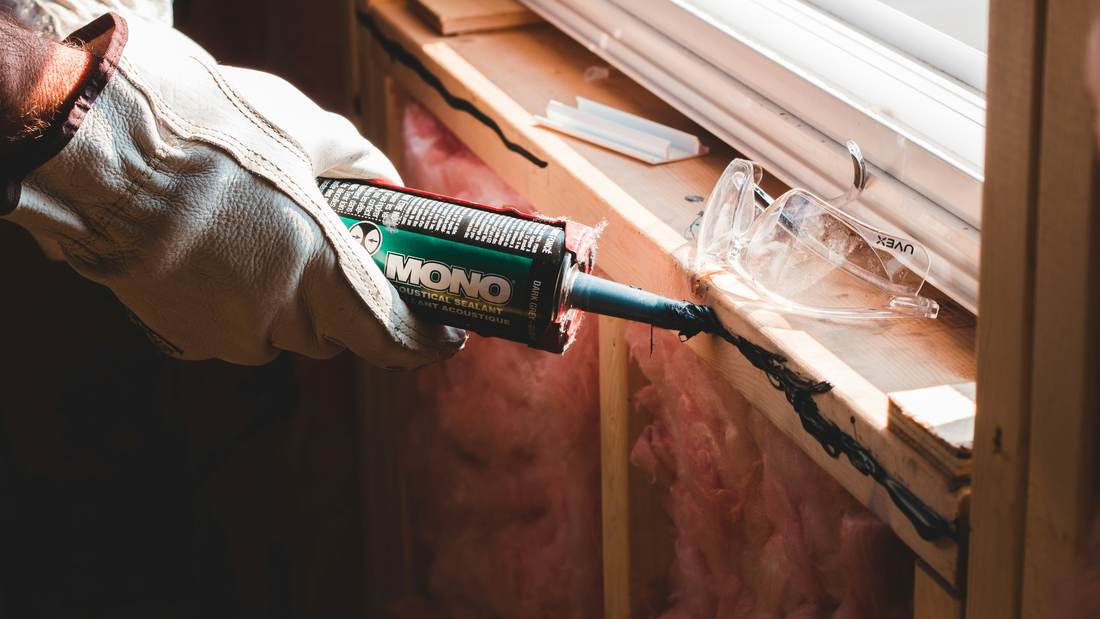
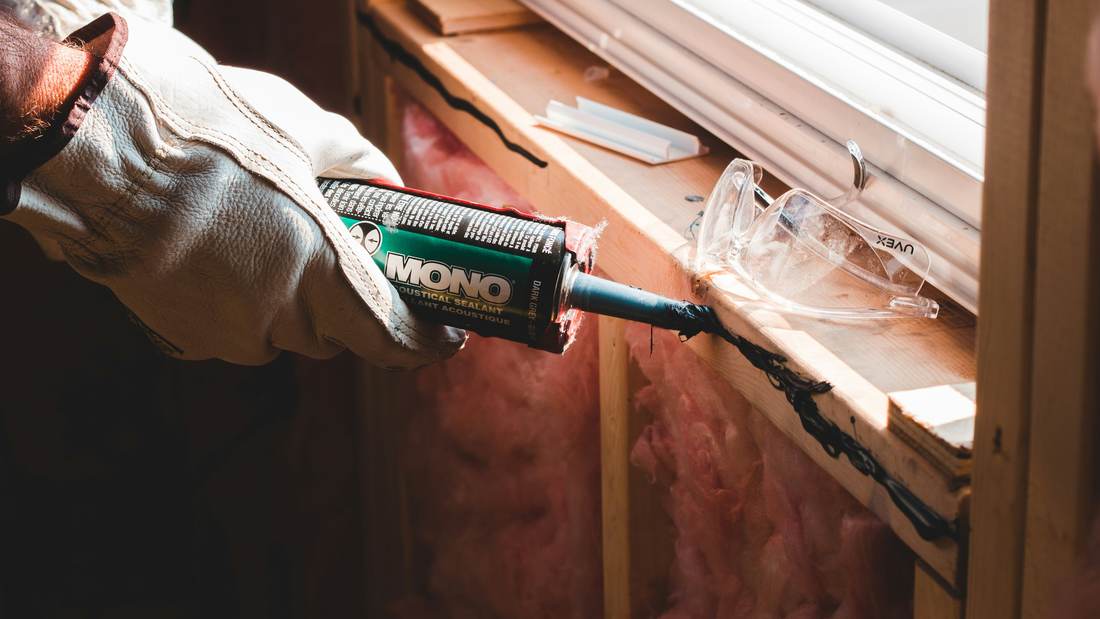
- Re-caulking around tubs, showers, and windows
- Installing ceiling fans where wiring already exists
- Fixing squeaky floors or stair treads
- Replacing damaged trim, baseboards, and molding
- Hanging shelving, mirrors, and TV mounts
- Minor deck repairs, fence board replacement, and exterior caulking
Bundling several of these into one visit is a smart strategy. A skilled handyman can knock out five or six small repairs in a single day, which is far more cost-effective than scheduling five separate appointments.
When You Need a Licensed Specialist — No Exceptions
Some repairs carry real risk if they go wrong, and others are governed by Massachusetts building codes that require licensed work, permits, and inspections. Cutting corners here can create liability problems when you sell your home, void your homeowner's insurance, or — in the worst cases — put your family in danger.
Electrical work
Anything beyond swapping a light fixture or replacing an outlet cover should go to a licensed electrician. Panel upgrades, new circuit runs, and adding outlets all require a permit in Massachusetts. Attempting unpermitted electrical work can create serious fire hazards and will surface as a problem during a home inspection.
Plumbing beyond the basics
A handyman can often replace a faucet or a toilet, but if you are dealing with slow drains throughout the house, water pressure problems, or work that requires opening walls or floors, call a licensed plumber. Gas line work — including connecting a new stove or dryer — must be done by a licensed professional, full stop.
HVAC and heating systems
With New England winters as demanding as they are in the Springfield and Holyoke areas, your heating system is not the place to experiment. Furnace repairs, boiler work, and anything involving refrigerant requires a licensed HVAC technician. The the U.S. Department of Energy recommends annual professional tune-ups for heating systems to maintain efficiency and safety — a task that falls clearly outside handyman territory.
Structural concerns
Cracks in your foundation, sagging floors, or load-bearing wall modifications need a structural engineer or licensed general contractor to assess and repair. These issues do not improve with time, and a misdiagnosis can be costly.
Lead paint and older homes
If your home was built before 1978, any work that disturbs painted surfaces requires caution. For homes built before 1978, the EPA sets the rules for disturbing lead paint, and contractors doing that work must be RRP (Renovation, Repair, and Painting) certified. This applies to both handymen and specialists — confirm certification before any sanding, scraping, or demolition in an older home.
Would you rather we handled it? Estimates are always free.
Get a Free EstimateHow to Decide: A Practical Framework
When a repair lands on your to-do list, run it through these three questions before picking up the phone.
- Does it require a permit? If yes, you need a licensed specialist who can pull and close that permit. No exceptions.
- Is there a safety risk if it goes wrong? Electrical faults, gas leaks, and structural failures are in a different category than a scratched floor. Err on the side of caution.
- Is it one focused problem or a collection of smaller ones? A single complex issue — like a failing sump pump or a malfunctioning boiler — calls for a specialist. A mix of small repairs scattered around the house is exactly what a handyman is for.
If you are still unsure, describe the problem in detail when you call. A reputable handyman will tell you honestly if the job is outside their scope. For painting and surface work specifically, our handyman services can help you figure out the right approach for your project.
Getting the Most Out of Either Professional
Whichever route you take, a little preparation goes a long way. Write down every repair you want addressed before the visit. Take photos if the problem is in a hard-to-describe location. For specialists, clear access to the relevant area — your electrical panel, the plumbing shut-off, the HVAC unit — before they arrive.
In Western Massachusetts, timing matters too. Spring and early summer are peak seasons for home repair services. If you are planning exterior work — painting, deck repairs, window caulking — scheduling in April or May gives you the best weather window and the best chance of getting on a busy professional's calendar before midsummer.
Asking for references, checking that a specialist holds a current Massachusetts license, and confirming insurance coverage are non-negotiable steps regardless of who you hire. Our team recommends getting a written scope of work before any job starts, even for small repairs. It protects both sides and eliminates surprises.
Frequently Asked Questions
Can a handyman do painting work?
Yes, most handymen handle interior painting tasks such as touching up walls, repainting trim, and refreshing a single room. For whole-house painting, exterior projects, or surfaces with potential lead paint issues, a dedicated painting professional is usually the better choice for quality and compliance.
How do I know if a repair requires a permit in Massachusetts?
In Massachusetts, permits are generally required for structural changes, electrical work beyond simple fixture replacements, plumbing that involves the main supply or drain lines, and HVAC installations. When in doubt, contact your local building department — they can tell you in minutes whether your specific project needs one.
Is it safe to hire a handyman for work in an older home?
Yes, but you should confirm that the handyman is aware of the home's age and understands lead paint protocols if applicable. For homes built before 1978, any work disturbing painted surfaces requires RRP-certified workers under federal rules set by the the EPA. Always ask about certification upfront.
What should I expect to pay for handyman services in Western MA?
Rates vary depending on the scope of work and whether the handyman charges by the hour or by the project. Bundling several small repairs into a single visit typically offers better value than scheduling separate appointments. Ask for a written estimate before work begins so there are no surprises.
Can a handyman install a ceiling fan or light fixture?
A handyman can typically swap out an existing ceiling fan or light fixture where wiring and a compatible electrical box are already in place. Installing a new fixture where no wiring exists, or upgrading to a fan where only a light was before, may require an electrician depending on what the existing wiring can support.
They Also Read
Caulking & Sealing Your Home Before Winter Hits New England
Learn how to caulk and seal your home before New England winter arrives. Practical tips for Western MA...
Read more →
Fall Gutter Cleaning: Clearing Leaves Before the First Freeze
Learn why fall gutter cleaning matters in Western MA, when to schedule it, and how clogged gutters cause...
Read more →Ready for a free estimate?
Tell us about your project and we will get you a straight answer on price and timing.