Handyman & Repairs
Caulking & Sealing Your Home Before Winter Hits New England
Learn how to caulk and seal your home before New England winter arrives. Practical tips for Western MA homeowners to stop drafts, cut energy bills, and prevent damage.
Why Sealing Matters Before a New England Winter
Western Massachusetts winters are not gentle. From the first hard freeze in November through the ice and wind of February, your home's envelope takes a beating. Every small gap around a window frame, door threshold, or pipe penetration is an opening for cold air, moisture, and rising heating costs. According to the U.S. Department of Energy, sealing air leaks is one of the most cost-effective ways to improve home comfort and reduce energy use. Getting this work done in September or October, before temperatures drop, gives caulk and sealant time to cure properly and gives you peace of mind heading into the season.
Where to Look First: The High-Priority Spots

Not every crack is equal. Focus your time and materials on the spots that lose the most heat or let in the most moisture.
Windows and Door Frames
Run your hand along interior window and door frames on a windy day. Any cool air you feel is a gap that needs attention. On the exterior, check where the frame meets the siding. Older homes in Springfield, Westfield, and Agawam often have original wood trim that has shrunk and pulled away from the casing over decades of seasonal movement. A line of paintable latex caulk here makes an immediate difference.
Foundation Sills and Rim Joists
The rim joist is the band of framing that sits on top of your foundation wall. It is one of the most common air leakage points in older New England homes, yet it is easy to miss because it lives in the basement. From the inside, look for daylight, feel for drafts, or simply inspect for obvious gaps between the wood framing and the concrete or block foundation below. Foam backer rod followed by caulk, or spray foam for larger voids, works well here.
Pipe and Wire Penetrations
Every place a pipe or wire exits through an exterior wall is a potential leak. Check under sinks where supply lines come through cabinets, around dryer vents, and where electrical conduit enters the house. Fire-rated caulk is required around penetrations that pass through fire-rated assemblies, so check your local building code if you are unsure.
Choosing the Right Caulk for the Job
The hardware store aisle offers a confusing number of products. Here is a simple way to think about it.
Paintable Latex for Interior and Painted Trim
Latex or acrylic-latex caulk is easy to apply, cleans up with water, and takes paint well. Use it anywhere you plan to paint over the bead, including window and door trim inside and outside. It is flexible enough for moderate movement but not ideal for joints that expand and contract dramatically.
Silicone or Siliconized Hybrid for High-Movement Areas
Pure silicone lasts longer and handles more movement, making it a good choice around tubs, sills with direct water exposure, and metal flashing. Many professionals prefer siliconized hybrids, which combine silicone's durability with the paintability of latex. Read the label before you buy.
Expanding Foam for Large Gaps
Gaps wider than about half an inch are better filled with low-expansion spray foam before caulking over them. Use low-expansion foam around window and door frames specifically, because high-expansion foam can bow the frame and affect how the door or window operates.
Would you rather we handled it? Estimates are always free.
Get a Free EstimateHow to Apply Caulk So It Actually Holds
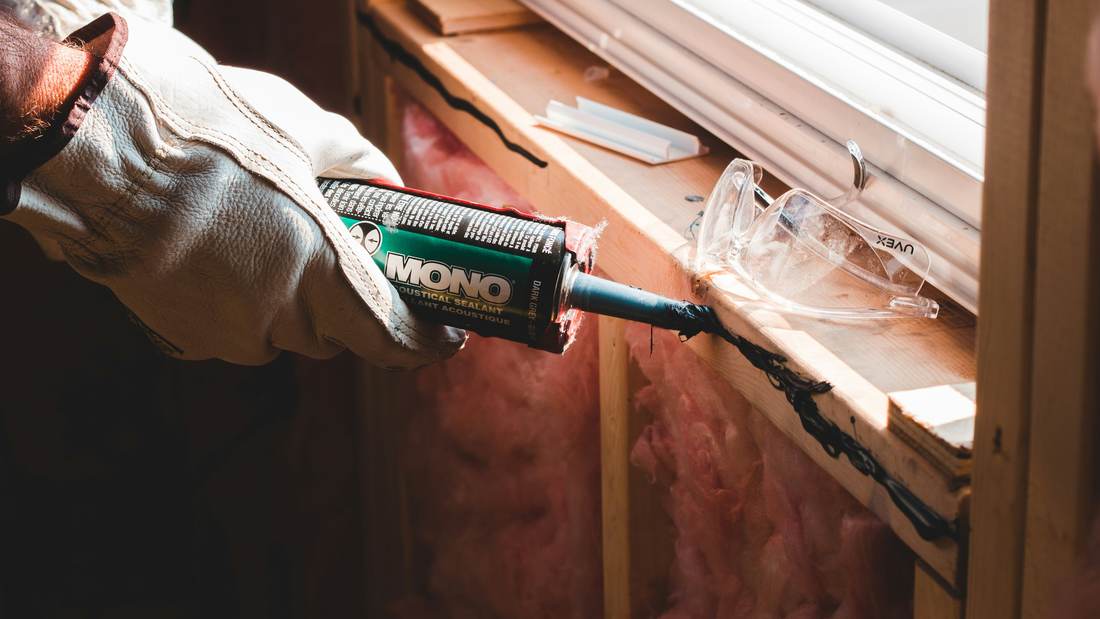
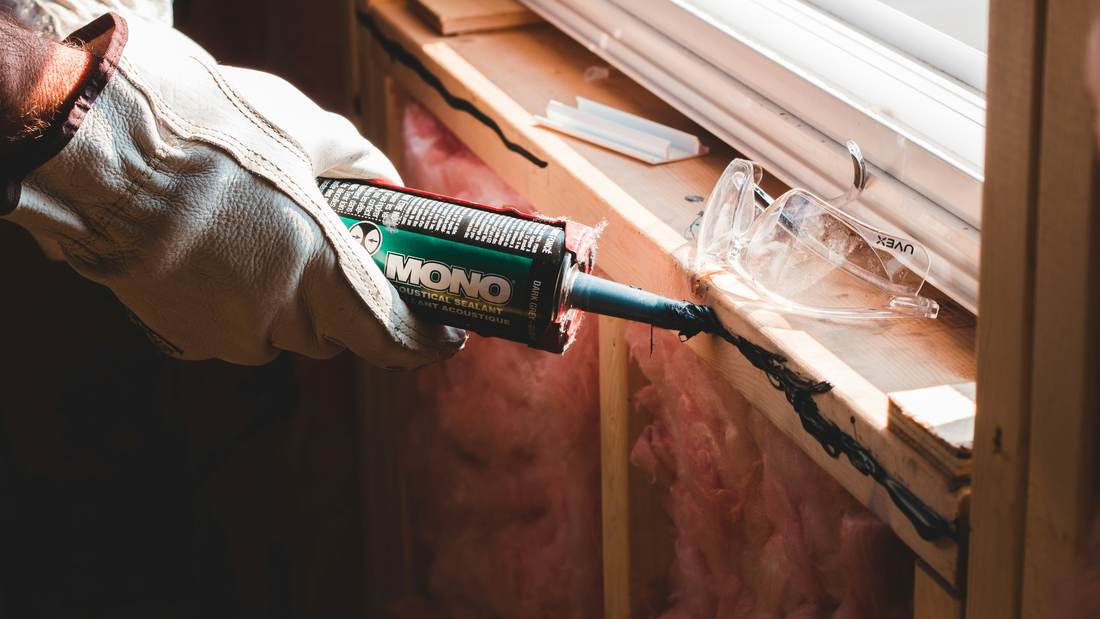
Good preparation is what separates a bead that lasts five years from one that peels off by spring. Remove all old, cracked, or loose caulk first. A plastic putty knife or a dedicated caulk removal tool does this without scratching painted surfaces. Clean the joint with a damp cloth and let it dry completely. Temperature matters more than most homeowners realize. Most caulk products should be applied when surfaces are between 40 and 80 degrees Fahrenheit. An October afternoon in Holyoke or West Springfield is usually fine, but a cold November morning may be too late for good adhesion. Cut the tube nozzle at a 45-degree angle, keep consistent pressure on the gun, and tool the bead smooth with a wet finger or a caulk tool immediately after application. Wipe away excess before it skins over.
When to Call a Professional
Most caulking is genuinely a DIY task, but there are situations where professional help pays off. If your home has significant air infiltration around a full window unit that has shifted in its opening, or if you are seeing water stains that suggest a flashing failure rather than a simple gap, the underlying problem needs to be diagnosed before anything is sealed. Sealing over an active moisture problem can trap water inside a wall assembly and cause far more damage than the draft you were trying to fix. For larger weatherproofing projects or when caulking is part of a repaint, our handyman services saves time and ensures materials are matched correctly to each surface.
Frequently Asked Questions
How long does caulk last before it needs to be replaced?
Most latex and silicone caulks last five to ten years under normal conditions, but New England freeze-thaw cycles can shorten that. Inspect exterior caulk every fall and plan to reapply anywhere you see cracking, shrinkage, or separation from the surface.
Can I caulk in cold weather?
Most standard caulks should not be applied below 40 degrees Fahrenheit, because the product will not cure properly and adhesion will fail. If temperatures have already dropped, wait for a warmer afternoon or use a product specifically rated for cold-weather application.
Is there a health concern with old caulk in my home?
Caulk itself is generally low-risk once cured, but disturbing old materials in homes built before 1978 can raise other concerns. the EPA provides guidance on lead-safe work practices that apply when renovating older homes, and those rules cover any work that disturbs painted surfaces.
What is the difference between caulking and weatherstripping?
Caulk is a flexible sealant applied to stationary joints, such as where a window frame meets siding. Weatherstripping seals moving parts, like the edge of a door or an operable window sash. Most homes need both, and they work together rather than being interchangeable.
How do I know if my sealing work actually reduced air leakage?
The most accurate test is a blower-door test performed by an energy auditor, which measures your home's total air leakage before and after improvements. For a simpler check, light an incense stick near suspected gaps on a windy day and watch for smoke disturbance.
They Also Read
Handyman vs. Specialist: When to Call Which for Home Repairs
Not sure whether to call a handyman or a specialist for your home repair? This guide helps Western MA...
Read more →
Fall Gutter Cleaning: Clearing Leaves Before the First Freeze
Learn why fall gutter cleaning matters in Western MA, when to schedule it, and how clogged gutters cause...
Read more →Ready for a free estimate?
Tell us about your project and we will get you a straight answer on price and timing.