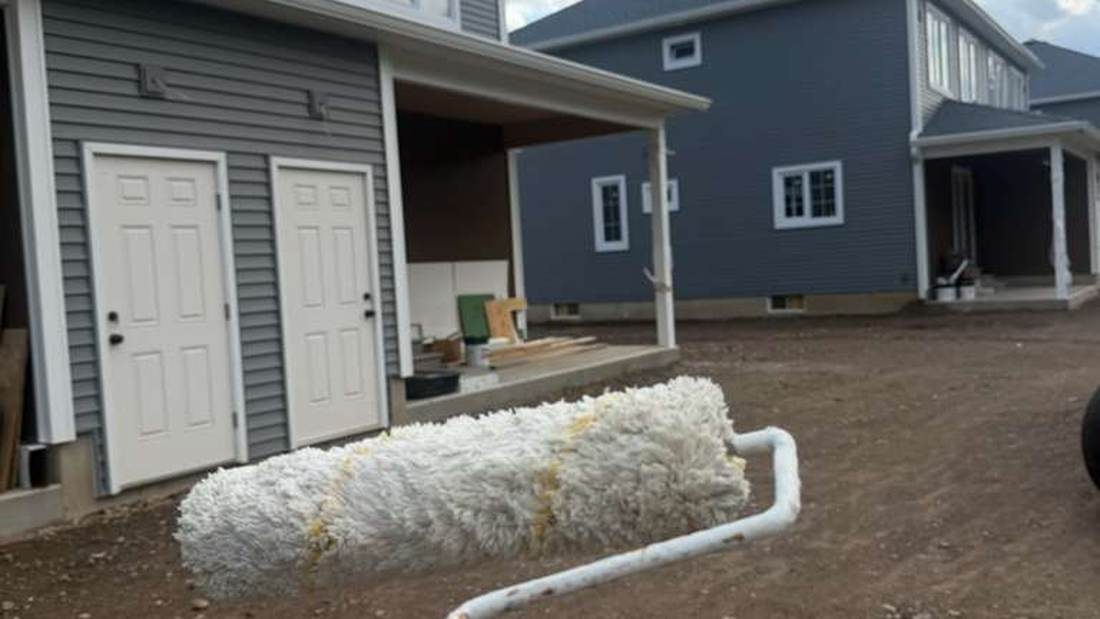
Exterior Painting
Best Weather Conditions for Exterior Paint to Cure Properly
Learn the ideal temperature, humidity, and wind conditions for exterior paint to cure properly in Western Massachusetts and New England's unpredictable climate.
Why Curing Conditions Matter More Than You Think
Applying exterior paint is only half the battle. The other half happens over the hours and days after the brush leaves the surface, while the coating bonds to the substrate and hardens into a durable film. That process is called curing, and it is far more sensitive to weather than most homeowners realize. Paint that dries too fast, too slow, or under the wrong humidity can peel, crack, or fail within a single season, leaving you back at square one. Understanding what the weather needs to look like before and after application is the single most effective way to protect your investment.
The Temperature Window You Need to Hit
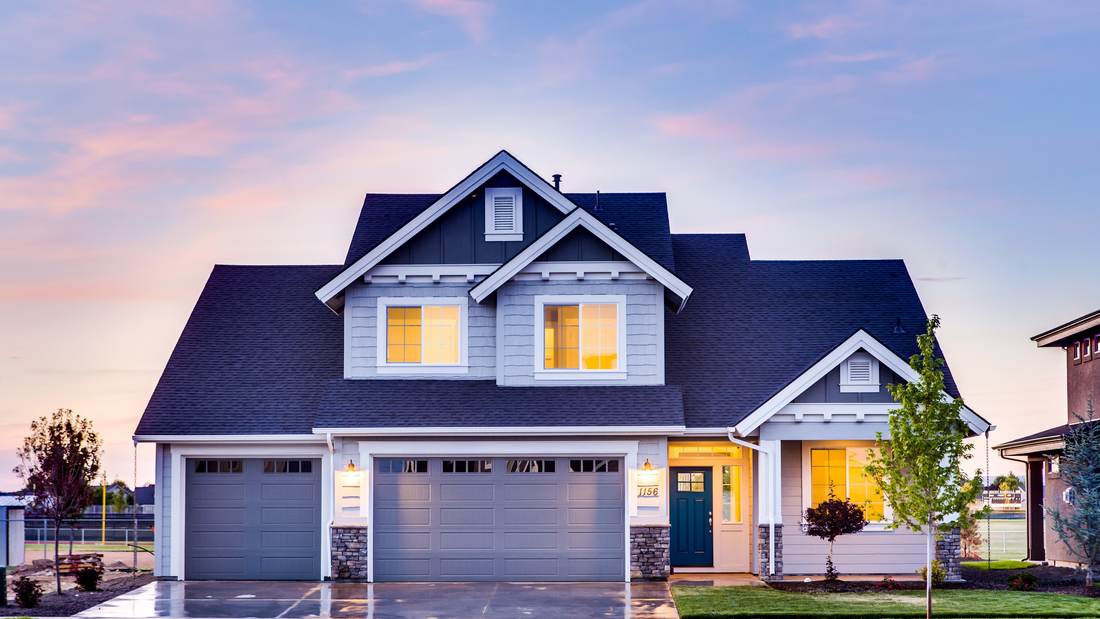
Most latex and acrylic exterior paints require an air and surface temperature between 50 degrees F and 85 degrees F at the time of application and for at least 24 to 48 hours afterward. Benjamin Moore specifies similar ranges on product data sheets, and most professional-grade coatings follow the same logic. Below 50 degrees F, the paint film cannot coalesce properly, meaning the particles never fully fuse together. The result looks fine at first but fails early. Above 85 to 90 degrees F, the solvent flashes off too quickly, leaving brush marks, lap lines, and a brittle finish.
Surface Temperature Is Not the Same as Air Temperature
A common mistake is checking only the air temperature. On a sunny afternoon in late spring, a south-facing wall in Westfield or Agawam can be 20 to 30 degrees warmer than the surrounding air. That same wall that reads 70 degrees F on a thermometer at eye level could be pushing 95 degrees F at the surface. Always check the substrate with an infrared thermometer, or simply paint in the morning before direct sun hits the wall.
Night Temperatures Count Too
Even if daytime conditions are perfect, a cold overnight low can interrupt curing. If temperatures are expected to drop below 45 degrees F within 24 hours of application, postpone the job. Spring and fall in Western Massachusetts are notorious for warm afternoons followed by sharp overnight drops, especially at higher elevations in the Hilltowns. Build a weather buffer of at least two to three days into your schedule.
Humidity: The Hidden Threat to a Good Finish
Relative humidity affects how quickly water-based paints release moisture as they dry. The ideal range is between 40 and 70 percent relative humidity. Above 70 percent, moisture-laden air slows the evaporation process, which can cause the paint film to sag, blister, or develop a milky haze. Below 40 percent, the surface dries so rapidly that adhesion to the substrate can be compromised.
New England summers bring stretches of heavy humidity, particularly in the Connecticut River Valley towns of Springfield, Holyoke, and West Springfield. Checking a hygrometer or a detailed weather forecast is not optional on days when the air feels thick. Many professional painters start early in the morning when humidity tends to be lower, and wrap up by early afternoon before the heat and moisture peak.
Would you rather we handled it? Estimates are always free.
Get a Free EstimateWind and Rain: Two More Variables to Watch
Rain Before and After Painting
Do not paint on a surface that is still wet from rain. Even if the wood or siding feels dry to the touch, moisture trapped just below the surface will push through the new film and cause blistering. A general rule is to wait at least 24 hours after any measurable rainfall before applying paint, longer for wood substrates that absorb water deeply.
Wind Speed Matters at Both Extremes
A light breeze of five to ten miles per hour is actually helpful during application because it carries away the moisture evaporating off the film. But wind above 15 miles per hour causes problems in both directions. It accelerates drying on the brush and roller, creating lap marks, and it carries dust, pollen, and debris that stick to the wet surface before it can set. Strong wind gusts are common across open areas of Southampton and other towns west of Springfield, so check conditions at your specific address, not just the regional forecast.
Planning Around New England Seasons
Late spring and early fall tend to offer the most reliable painting windows in Western Massachusetts. May through early June and late August through September typically provide moderate temperatures, manageable humidity, and longer stretches of dry weather. Midsummer can work, but the combination of high heat and Connecticut River Valley humidity narrows the daily window considerably. Winter exterior painting is generally not viable in this region. If a project runs late in the season, our exterior painting service can help you assess whether conditions still support a quality result or whether waiting until spring is the smarter call.
For anyone dealing with a home built before 1978, weather planning also intersects with safety requirements. the EPA regulates how and when lead paint surfaces can be disturbed, and those rules apply regardless of the season.
Frequently Asked Questions
What is the minimum temperature for applying exterior paint?
Most water-based exterior paints should not be applied below 50 degrees F. At lower temperatures the paint film cannot form a proper bond, and the coating will likely peel or crack within months. Check both air and surface temperature before starting.
Can I paint outside in Western Massachusetts in October?
October can work in the first half of the month if daytime temperatures stay above 50 degrees F and overnight lows do not drop below 45 degrees F. By late October those conditions become unreliable in most of Western Massachusetts, and the risk of a failed job increases significantly.
How long does exterior paint need to cure before rain?
Most latex exterior paints can handle light rain after four to six hours of dry time, but full cure takes 30 days or more. Avoid heavy rain or sustained wet weather for at least 24 hours after application to protect the new film while it is still forming.
Does high humidity ruin a paint job?
High humidity above 70 percent slows the drying process and raises the risk of sagging, blistering, and poor adhesion. It does not automatically ruin a job, but it significantly narrows the margin for error and is best avoided when possible.
Is morning or afternoon better for exterior painting?
Morning is generally better in warm months. Temperatures are cooler, humidity is often lower, and surfaces have not yet been heated by direct sun. Painting in the afternoon on a hot day risks flash drying, which causes brush marks and weak adhesion.
They Also Read
5 Common Exterior Painting Mistakes Homeowners Make (and How to Avoid Them)
Avoid the most costly exterior painting mistakes Western MA homeowners make. Learn what goes wrong and how to...
Read more →
5 Signs It's Time to Repaint Your Home's Exterior
Fading paint, peeling edges, and rising energy bills are warning signs. Learn the 5 signals that tell Western...
Read more →Ready for a free estimate?
Tell us about your project and we will get you a straight answer on price and timing.