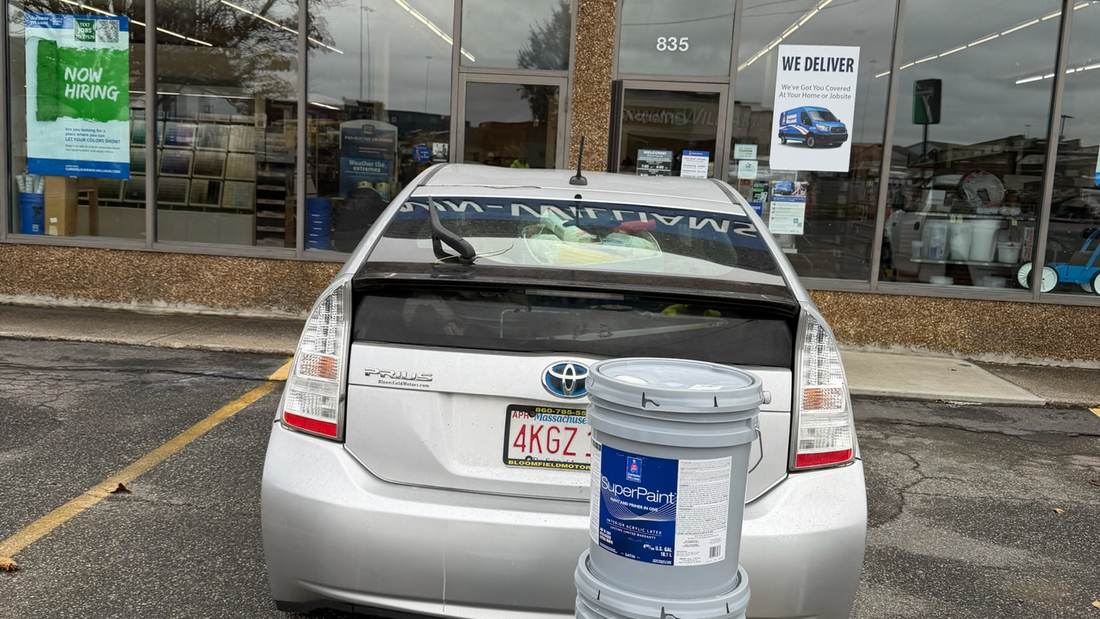
Home Care Tips
DIY Painting vs. Hiring a Pro: What Western Mass Homeowners Should Know
Weighing DIY painting against hiring a pro in Western Massachusetts? This guide covers costs, risks, prep, and when each option makes sense for your home.
The Real Cost of Painting: DIY vs. Professional
At first glance, doing the job yourself looks like the obvious money-saver. You skip labor costs and buy paint on your own schedule. But the math is rarely that simple. A gallon of quality interior paint from a reputable brand runs $50 to $80 or more, and most rooms need two to three gallons plus primer. Add brushes, rollers, tape, drop cloths, and a ladder, and a modest project can cost $300 to $500 in materials alone before you have painted a single wall.
A professional crew brings their own tools, buys materials at trade pricing, and works faster than most homeowners expect. For large jobs like a full exterior or a whole-house interior repaint, the gap between DIY material costs and professional quotes often narrows considerably. When you factor in your own time, the calculation shifts further. A weekend project can stretch into two or three weekends if you are learning as you go, which has real value for busy families in Springfield, Agawam, or anywhere else in the Pioneer Valley.
Hidden costs to budget for
Renting scaffolding for a two-story colonial, buying a sprayer for a large exterior, or replacing brushes that dried out because you forgot to clean them immediately are all expenses that rarely appear in the initial estimate homeowners make. Professionals absorb these costs across dozens of jobs. You absorb them once, on yours.
Prep Work: The Step That Makes or Breaks Any Paint Job
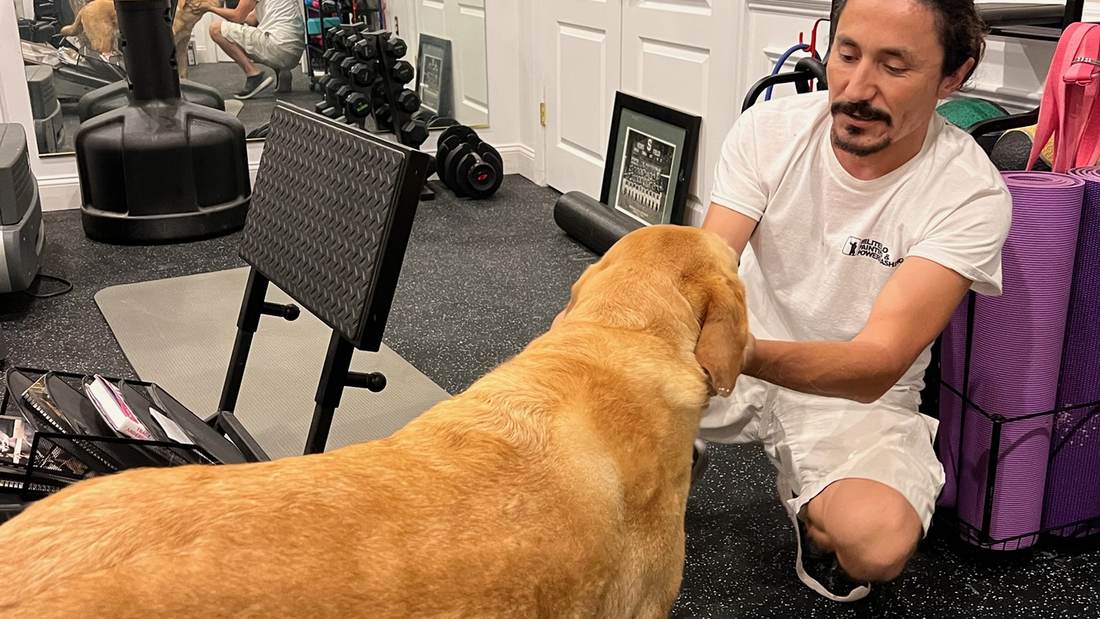
Professional painters will tell you that 70 percent of a good result comes from preparation. Filling cracks, sanding rough surfaces, cleaning walls, caulking trim, and priming bare wood all take time and skill. Skipping or rushing any of these steps leads to peeling, bubbling, and uneven coverage within a year or two.
New England weather makes prep especially important for exterior projects. The freeze-thaw cycles that Western Massachusetts homes endure every winter cause wood to expand and contract, opening gaps in old caulk and lifting paint that was not adhered properly to begin with. A professional will identify and address these vulnerabilities before a single coat goes on. A homeowner working through their first exterior project may not know what to look for.
When DIY prep goes wrong
The most common DIY mistake is painting over a surface that is not truly clean or dry. Moisture trapped behind paint leads to blistering within one season in our climate. If you do take on a project yourself, allow freshly washed surfaces at least 24 to 48 hours to dry completely before painting, and check the forecast for a dry window of at least three days when working outdoors.
Lead Paint: A Non-Negotiable Safety Concern
Homes built before 1978 may contain lead-based paint, and this fact changes the equation for any sanding, scraping, or stripping project significantly. For homes built before 1978, the EPA sets the rules for disturbing lead paint, including requirements for certified contractors and specific containment and cleanup procedures. These rules exist because lead dust is a serious health hazard, particularly for children and pregnant women.
A large portion of the housing stock in Holyoke, West Springfield, and other older Western Massachusetts communities was built well before 1978. If your home falls into that category and you are planning to sand or scrape existing paint, a DIY approach carries real legal and health risks unless you follow proper protocols. Hiring a certified professional removes that burden entirely and keeps your family protected.
Would you rather we handled it? Estimates are always free.
Get a Free EstimateInterior vs. Exterior: Choosing the Right Approach for Each
Not every project carries the same level of difficulty, and many homeowners do fine with smaller interior jobs. Painting a single bedroom, refreshing a bathroom, or updating a hallway are all projects where careful preparation and two coats of a quality paint can produce results you will be proud of. The stakes are lower, the surfaces are accessible, and mistakes are easier to correct.
Exterior painting is a different challenge. Working at height, managing sun exposure and humidity levels, dealing with weathered wood, and achieving consistent coverage across large surfaces all require experience and equipment. A poor exterior paint job in Western Massachusetts does not just look bad — it lets moisture into your siding and trim, leading to rot and much larger repair bills down the road. For exterior work on anything larger than a small shed or fence, the services we offer is worth a serious look before you commit to the DIY route.
Projects that are good candidates for DIY
- Single rooms with simple trim and no wallpaper removal
- Painting interior doors or furniture
- Touch-up work on previously painted surfaces in good condition
- Accent walls where a small mistake is low-stakes
Projects that are better left to professionals
- Full exterior repaints, especially on older homes
- Any surface with suspected lead paint that requires disturbance
- Vaulted ceilings, stairwells, or spaces requiring scaffolding
- New construction or freshly drywalled rooms needing flawless results
- Historic homes with intricate millwork or unpainted masonry
Quality and Longevity: Getting the Most from Your Investment
A professional exterior paint job, done correctly with proper prep and quality materials, should last eight to twelve years in New England conditions. A DIY job with rushed prep or the wrong primer for the substrate might need attention in three to five years. Over a decade, the cost difference between doing it right once and redoing a poor job twice or three times can easily favor the professional option.
The quality of paint matters too. Sherwin-Williams and other manufacturers offer product lines specifically formulated for high-humidity and temperature-variable climates. Professionals know which products perform well in conditions like ours and apply them correctly. Buying paint at a big-box store without guidance often means choosing a product that is not the best match for your specific surface or exposure.
Frequently Asked Questions
How long does a typical interior painting project take for a DIYer?
A single room typically takes an experienced DIYer one full day if all prep is done first. However, most first-time painters underestimate drying time between coats and prep time, so plan for a full weekend per room to avoid rushing and to get a clean result.
Do I need a permit to paint my house in Massachusetts?
Standard residential painting does not require a permit in Massachusetts. However, if your project involves disturbing lead paint in a pre-1978 home, you may be subject to state and federal regulations under the EPA guidelines, which require specific handling and disposal procedures.
What time of year is best for exterior painting in Western Massachusetts?
Late spring through early fall is the ideal window, generally May through September. Paint requires temperatures consistently above 50 degrees Fahrenheit to cure properly, and Western Massachusetts winters arrive early and can be unpredictable, so starting early in the season gives you the best conditions and the most flexibility.
Can I paint over old peeling paint instead of scraping it all off?
No, painting over peeling paint will not hold and will lead to further peeling quickly. All loose and flaking paint must be removed, the surface must be sanded smooth, and any bare wood must be primed before a new topcoat is applied. Skipping this step is the single most common cause of a paint job that fails within a season or two.
How do I know if my home has lead paint?
If your home was built before 1978, there is a reasonable chance some painted surfaces contain lead. The only way to know for certain is to use a certified lead test kit available at hardware stores or hire a certified lead inspector. Our team recommends testing before any sanding or scraping project on an older home, as the health risks are significant and the testing process is straightforward.
They Also Read
6 Mistakes to Avoid When Hiring a Home Services Contractor in Massachusetts
Avoid costly hiring mistakes with this practical guide for Western MA homeowners. Learn what to check before...
Read more →
How to Choose a Painting Contractor in Western Massachusetts
Learn how to choose a painting contractor in Western Massachusetts. Get practical tips on vetting bids,...
Read more →Ready for a free estimate?
Tell us about your project and we will get you a straight answer on price and timing.