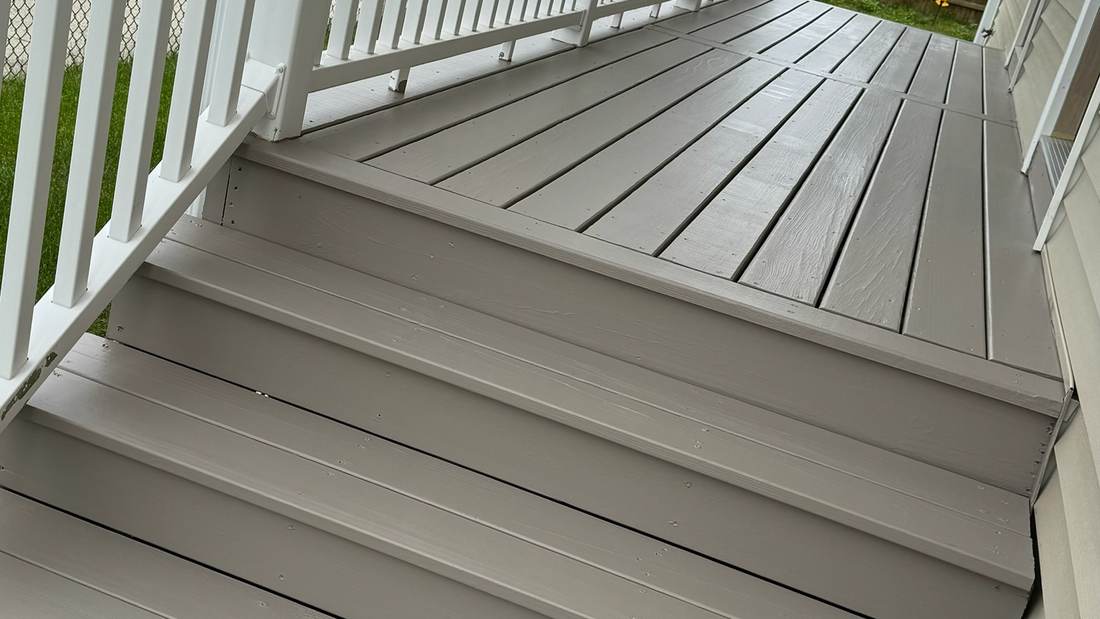
Fences & Decks
Deck & Fence Staining: Getting the Most Out of Summer Weather
Learn when and how to stain your deck or fence for lasting results. Practical tips for Western MA homeowners on timing, prep, and product choice.
Why Summer Is the Right Season — But Not the Whole Story
New England summers give you a narrow but reliable window for exterior wood finishing. Stains need air temperatures between 50°F and 90°F and low humidity to cure properly. In Western Massachusetts, that window typically runs from late May through early September, though heat waves in July and August can actually work against you if you're not careful.
The goal is to apply stain when the wood is dry, the sun isn't beating directly on the surface, and overnight temperatures won't drop below 50°F. Early morning or late afternoon applications on overcast days consistently produce the smoothest finish. Avoid staining right after rain — wood needs at least 48 hours to dry fully after a soaking.
Prep Work Is 80 Percent of the Job
No stain will perform well on dirty, flaking, or uneven wood. Skipping prep is the single most common reason homeowners find themselves restaining a deck or fence just two or three years later instead of five or more.
Cleaning the Surface
Start with a dedicated wood cleaner or deck wash. Pressure washing works, but keep the nozzle moving and use a wide fan tip — a concentrated stream can raise the grain and leave streaks that show through the finished coat. For fences with mildew, a diluted oxygen bleach solution lifts staining without harming surrounding plants.
Sanding and Repairs
After the wood dries, sand any rough areas and check for loose boards, popped nails, or cracked rails. Replace any boards that are soft or spongy. Stain won't stabilize rotting wood — it will just seal moisture in and accelerate the damage. Once the surface is smooth and sound, you're ready to choose your product.
Choosing Between Transparent, Semi-Transparent, and Solid Stains
The right opacity depends on the condition of your wood and how much grain you want to show.
- Transparent stains let the full grain show through and work best on new or nearly new wood. They typically need reapplication every one to two years.
- Semi-transparent stains add color while still showing the wood's texture. They're the most popular choice for weathered decks and split-rail fences that still have good structural integrity.
- Solid stains behave more like paint and are the right call for older wood with significant discoloration or surface damage. They hide imperfections and generally last the longest before needing a touch-up.
For decks that see heavy foot traffic — a busy backyard in Agawam or a pool deck in Southampton — look for a stain rated for horizontal surfaces. These formulas are thicker and more resistant to abrasion than fence stains. Sherwin-Williams provides product data sheets that spell out the differences in coverage rates and recoat windows, which is worth reviewing before you buy.
Would you rather we handled it? Estimates are always free.
Get a Free EstimateOil-Based vs. Water-Based Stains
This debate has shifted significantly over the past decade. Water-based stains have caught up to oil-based formulas in durability, and they clean up with soap and water, dry faster, and emit fewer fumes. For most homeowners in Western MA, a high-quality water-based stain is now the default recommendation.
Oil-based stains still have an edge in penetration on very dense or freshly milled wood, and some applicators prefer them for log fences or rough-sawn cedar. The tradeoff is longer dry times and stricter disposal requirements — used rags soaked in oil-based stain can spontaneously combust if bunched up. the EPA guidance on proper disposal of flammable finishing products applies here and is worth reading before you start.
Application Tips That Make a Real Difference
Brush and roller applications give you better control and penetration than spraying alone. If you do spray, always back-brush immediately to work the stain into the grain. Two thin coats almost always outperform one heavy coat — pooling stain peels faster and looks uneven when it dries.
For fences, work one section at a time from top to bottom so drips land on unstained wood and get absorbed into the next stroke. For horizontal deck boards, work with the grain across two or three boards at once to keep a wet edge and avoid lap marks. When you reach the end of a board, stop there — never stop mid-board if you can avoid it.
If this sounds like a lot to coordinate around your schedule, our fence painting and staining service explains what a professional application typically includes and what you can expect from the finished result.
How Long Will It Last — and How Will You Know It's Time?
A properly prepped and applied stain on a Western Massachusetts deck typically holds up for three to five years on horizontal surfaces and five to seven years on vertical fence boards. The difference comes down to exposure: deck boards take direct sun, rain, foot traffic, and freeze-thaw cycles all at once.
The easiest test is the water bead test. Sprinkle a little water on the surface. If it beads up, the finish is still working. If it soaks in immediately, the wood is absorbing moisture and it's time to clean and recoat before deeper damage starts. Catching it at this stage — rather than waiting for gray, cracked boards — saves you a much larger job later.
Frequently Asked Questions
How long should I wait after rain before staining my deck or fence?
Wait at least 48 hours after significant rainfall before applying any stain. If the wood looks dark or feels damp to the touch, give it another day. Applying stain to wet wood traps moisture underneath and causes peeling within a season.
Can I stain over an existing coat of stain?
Yes, but only if the existing finish is in good condition — no peeling, flaking, or heavy discoloration. If the old stain is failing, you'll need to strip or sand it back before recoating. Applying new stain over a deteriorating finish just delays the problem and wastes product.
What's the best temperature range for staining in Western Massachusetts?
Most stain manufacturers recommend applying between 50°F and 90°F with moderate humidity. In the Connecticut River Valley, mornings in late May and early June often hit that sweet spot before summer heat and afternoon thunderstorms arrive.
Do I need to seal my deck after staining?
Not always — many modern stains include a built-in sealer, so adding a separate topcoat can actually prevent proper penetration. Check the product label. If the stain is rated as a stain-and-sealer, one or two coats of that product is all you need.
Is pressure washing enough prep, or do I need to sand too?
Pressure washing removes dirt and loose material, but it often raises the wood grain, which creates a rough texture that catches stain unevenly. A light sanding after the wood dries from washing gives you a smoother surface and a noticeably more professional result.
They Also Read
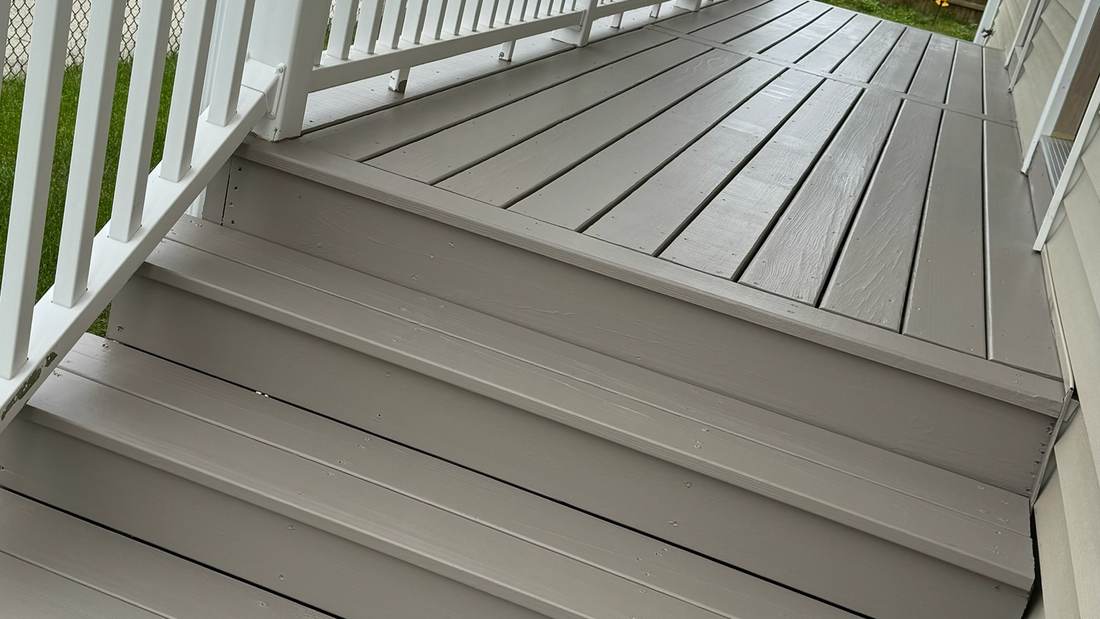
5 Signs Your Wood Fence Needs Painting or Replacing
Is your wood fence fading, cracking, or rotting? Learn the five warning signs that tell you whether to repaint...
Read more →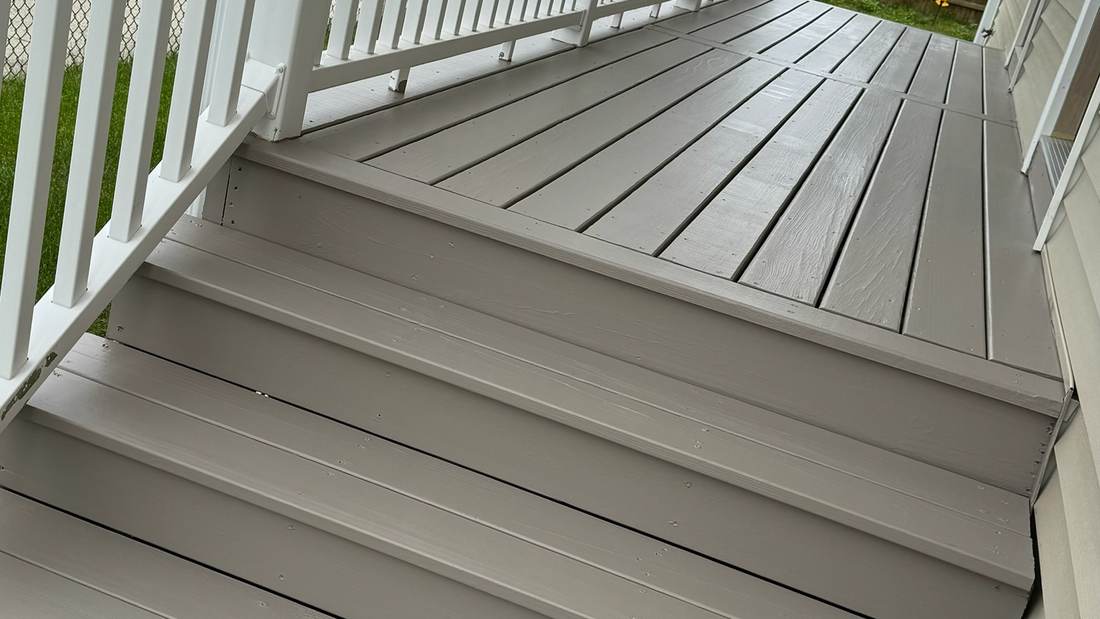
Paint vs. Stain for Wood Fences: Which Lasts Longer in New England?
Should you paint or stain your wood fence in Western Massachusetts? Learn which finish survives New England...
Read more →Ready for a free estimate?
Tell us about your project and we will get you a straight answer on price and timing.