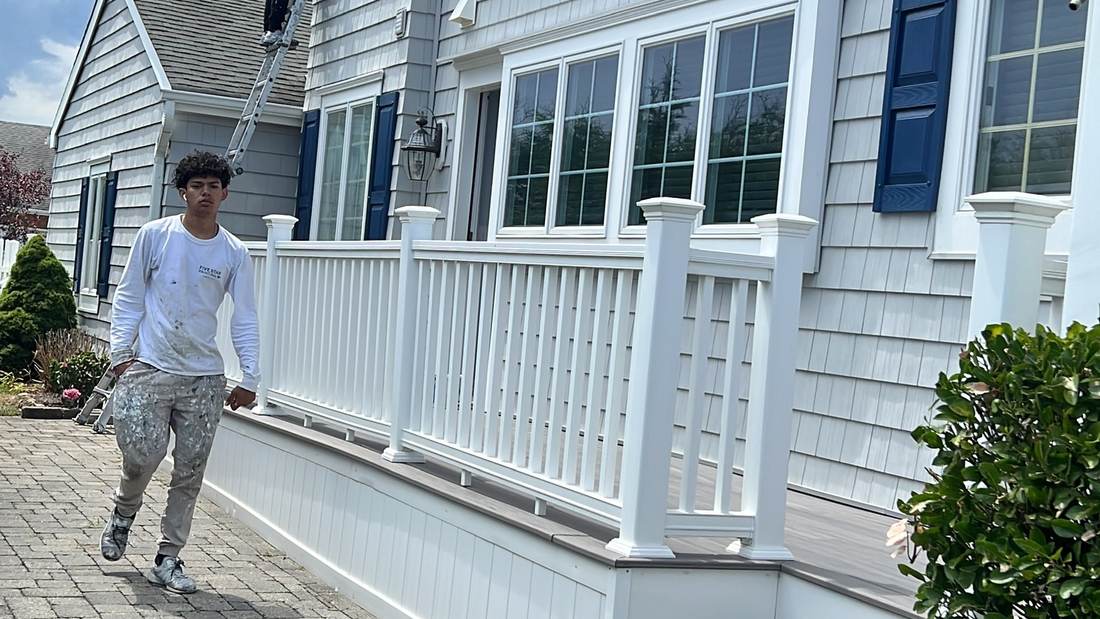
Siding Cleaning
7 Signs Your Siding Needs Cleaning or Replacing
Dirty or damaged siding is more than an eyesore. Learn the 7 warning signs Western MA homeowners should never ignore before winter hits.
Why Your Siding Deserves a Closer Look This Year
Most homeowners in Westfield, Agawam, and Springfield do not think about their siding until something looks seriously wrong. But your siding does a heavy job every single day — it shields your home from wind, rain, ice, and the wide temperature swings that define a New England year. Catching problems early can mean the difference between a simple cleaning and a full replacement that costs thousands of dollars. Walk around your home this weekend and look for these seven warning signs.
Signs 1 Through 3: What You Can See From the Sidewalk
1. Visible Mold, Mildew, or Algae Growth
Dark streaks, green patches, or fuzzy black spots on your siding are not just ugly — they signal moisture is sitting where it should not be. In Western Massachusetts, shaded north-facing walls and areas under heavy tree cover are especially prone to biological growth after our wet springs and humid summers. A professional cleaning often resolves early-stage growth completely. If the growth keeps returning after cleaning, moisture may be getting behind the siding itself, which points toward a deeper problem.
2. Fading or Chalking Paint or Finish
All exterior finishes fade over time, but rapid or uneven fading can mean the siding material underneath has started to break down. Run your hand along the surface — if a chalky white residue comes off on your palm, the protective coating is failing. At this stage, cleaning and repainting may restore the surface, but you should inspect the boards closely before committing to a repaint.
3. Staining That Will Not Wash Off
Rust streaks from metal fasteners, tannin stains from nearby oak or maple trees, or brown water marks that reappear after rain are all signals worth investigating. Persistent staining often means water is wicking through a compromised surface rather than running off it cleanly. A trained eye can tell whether the staining source is on the surface or behind it.
Would you rather we handled it? Estimates are always free.
Get a Free EstimateSigns 4 and 5: What You Find Up Close
4. Cracking, Warping, or Buckling Panels
Walk the perimeter of your home and look at each panel from a low angle. Warped or buckled boards almost always mean moisture has penetrated the material. Vinyl siding can warp from heat reflected off windows or dark surfaces nearby. Wood and fiber-cement siding warp when water gets in through failed caulk joints or cracked paint. A single buckled panel replaced quickly is an easy fix. Widespread warping across multiple walls usually means the underlayment or house wrap beneath the siding has been compromised too, and that is a replacement conversation.
5. Gaps, Loose Panels, or Missing Pieces
Gaps between panels or at corners let cold air, water, and insects straight into your wall cavity. After a harsh winter with heavy freeze-thaw cycles — common across the Pioneer Valley — fasteners can loosen and panels can shift. Push gently on any panel that looks slightly out of alignment. If it moves, it is no longer doing its job. Loose siding should be secured or replaced before the next heating season begins.
Signs 6 and 7: Inside Clues That Show Up Outside
6. Your Interior Paint or Wallboard Is Bubbling
Sometimes the first sign of siding failure appears inside your home. Bubbling or peeling paint on interior walls, soft spots in drywall, or a musty smell near an exterior wall all suggest water is moving through your siding and into your wall assembly. the EPA notes that persistent indoor moisture creates conditions that support mold growth, which can affect air quality and structural integrity. If you spot any of these interior clues, have the exterior inspected right away — do not wait for spring.
7. Your Energy Bills Have Been Creeping Up
Damaged or poorly sealed siding reduces your home's thermal envelope. If your heating bills in Holyoke or West Springfield have risen without an obvious explanation, air infiltration through compromised siding may be a contributing factor. According to the U.S. Department of Energy, air sealing and proper exterior cladding are among the most cost-effective ways to reduce home energy loss. If your siding inspection reveals widespread gaps or degraded insulating board underneath, a full replacement often pays back a meaningful portion of its cost over time through lower utility bills.
Cleaning vs. Replacing: How to Decide
Not every problem demands a full replacement, and not every dirty surface can be saved with a wash. Here is a simple framework for thinking it through.
- Clean first if the siding is structurally sound, less than fifteen years old, and the issues are limited to surface staining, mold, or light fading.
- Repair selectively if only a few panels are cracked, warped, or loose and the surrounding material is in good condition.
- Plan for replacement if warping or moisture damage is widespread, if the siding is approaching the end of its expected lifespan, or if cleaning repeatedly fails to solve the same problems.
If you are unsure which category your home falls into, a professional inspection takes the guesswork out of it. For more information on what a professional siding cleaning service includes, our siding cleaning service covers what to expect and how to get started.
Frequently Asked Questions
How often should siding be cleaned in New England?
Most homes in Western Massachusetts benefit from a professional exterior cleaning every one to three years. Homes with heavy shade, proximity to trees, or north-facing walls may need attention more frequently because biological growth accumulates faster in those conditions. An annual visual inspection lets you catch problems between cleanings before they escalate.
Can I clean siding myself or should I hire a professional?
Light surface dirt can often be handled with a soft brush and a mild detergent solution, but pressure washing done incorrectly can force water behind panels and cause the very damage you are trying to prevent. A professional has the right equipment and pressure settings for each siding material. If you see mold, significant staining, or any structural concerns, professional service is the safer and more thorough choice.
What is the lifespan of common siding materials?
Vinyl siding typically lasts twenty to forty years, fiber-cement siding can last thirty to fifty years with proper maintenance, and wood siding varies widely depending on paint upkeep and climate exposure. New England freeze-thaw cycles and high seasonal moisture can shorten these ranges if the siding is not maintained. Regular cleaning and prompt repairs extend the life of any material significantly.
Does dirty or damaged siding affect my home's value?
Yes, curb appeal has a direct impact on appraised and perceived value, and buyers in markets like Springfield and Agawam notice exterior condition immediately. Beyond aesthetics, a home inspection will flag compromised siding, which can complicate a sale or trigger price negotiations. Addressing siding issues before listing a home is almost always the more cost-effective path.
Is mold on siding a health concern?
Mold on the exterior surface is primarily a structural concern rather than an immediate indoor air quality hazard, but it can become one if moisture has moved into the wall cavity. the EPA recommends addressing any visible mold growth promptly and correcting the moisture source that allowed it to develop. If you smell mustiness inside the home near an affected wall, treat it as an urgent situation and have both the exterior and interior inspected.
They Also Read
Ready for a free estimate?
Tell us about your project and we will get you a straight answer on price and timing.